


One Sorrowing Heart
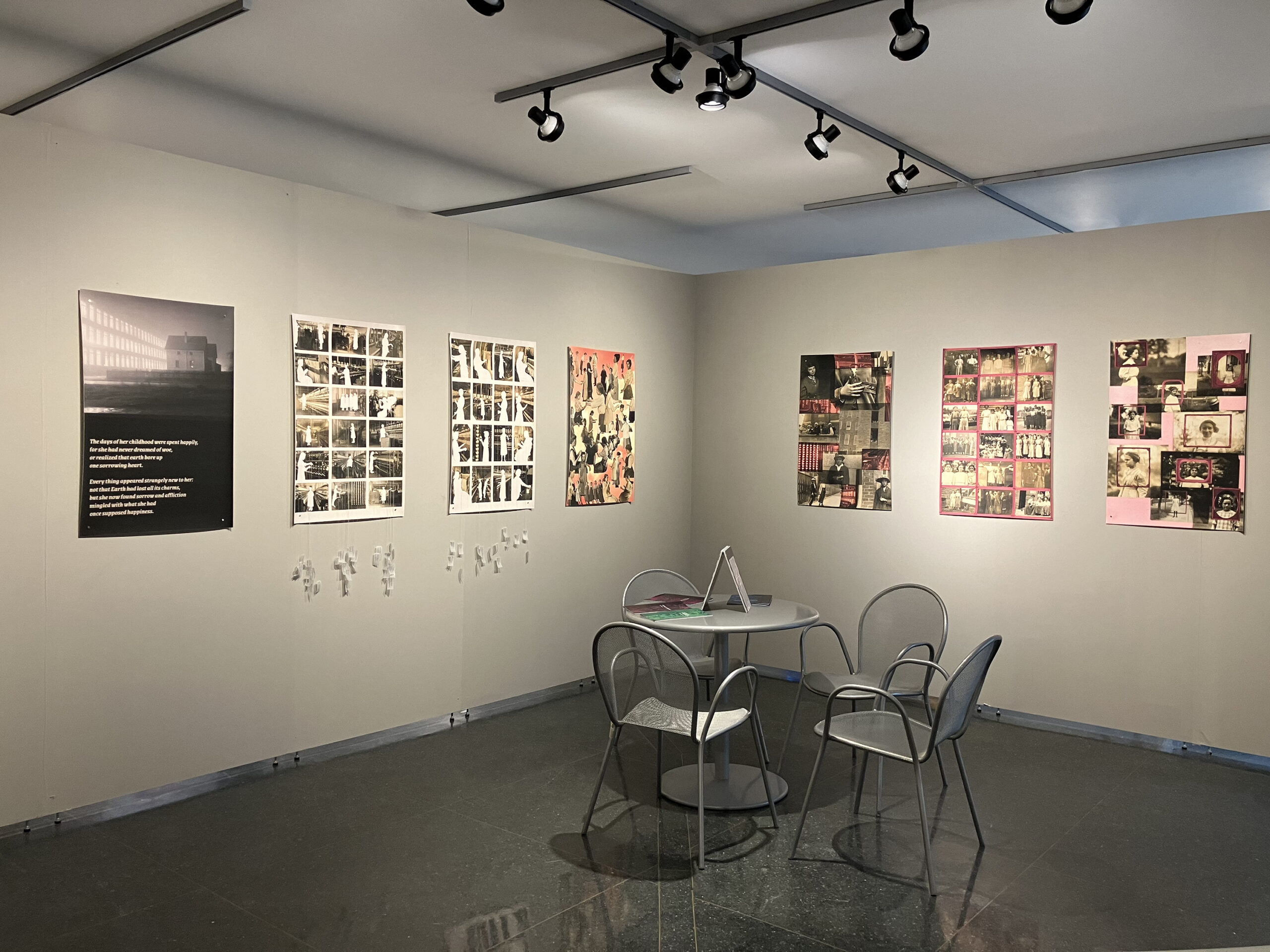
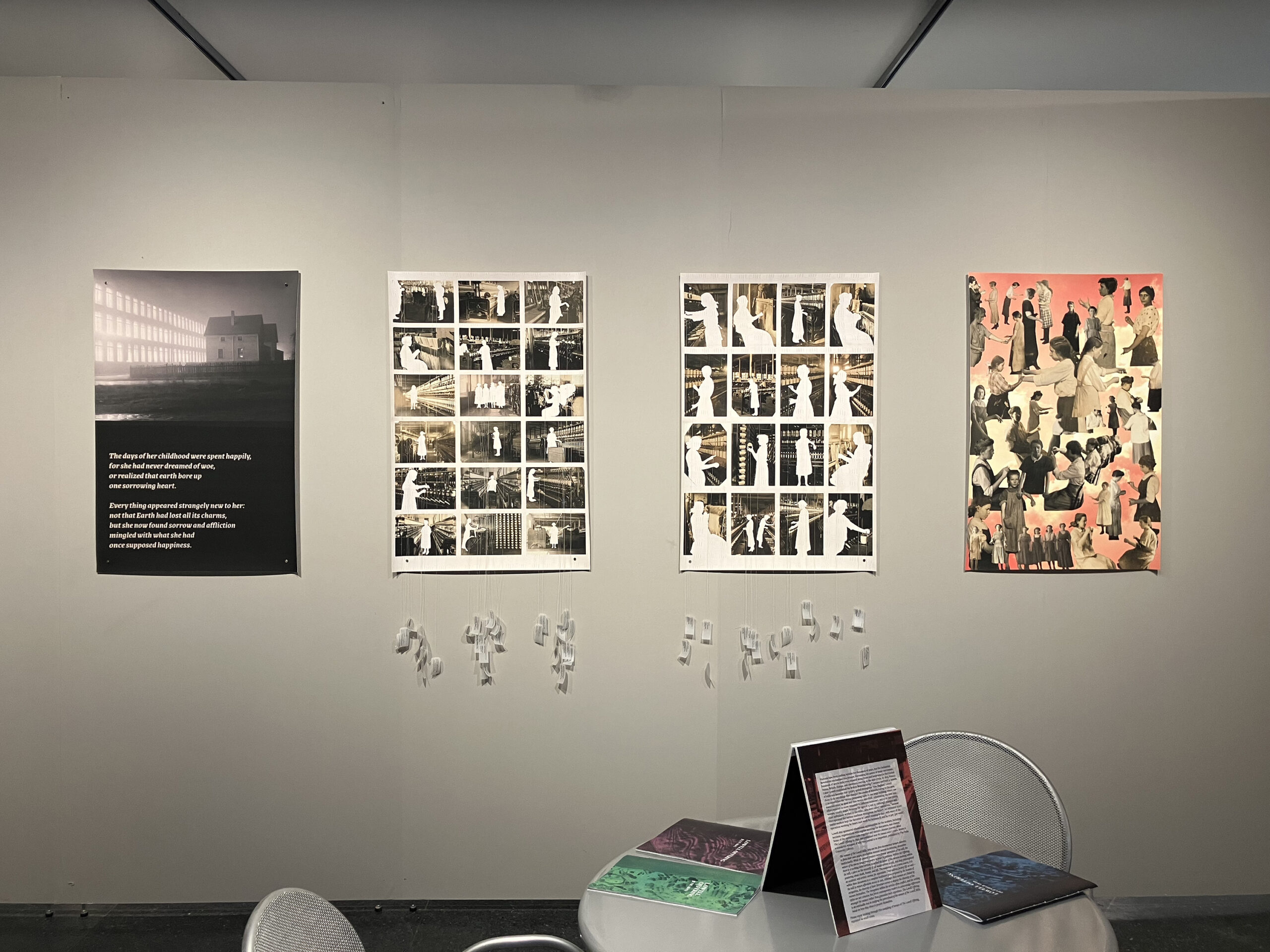
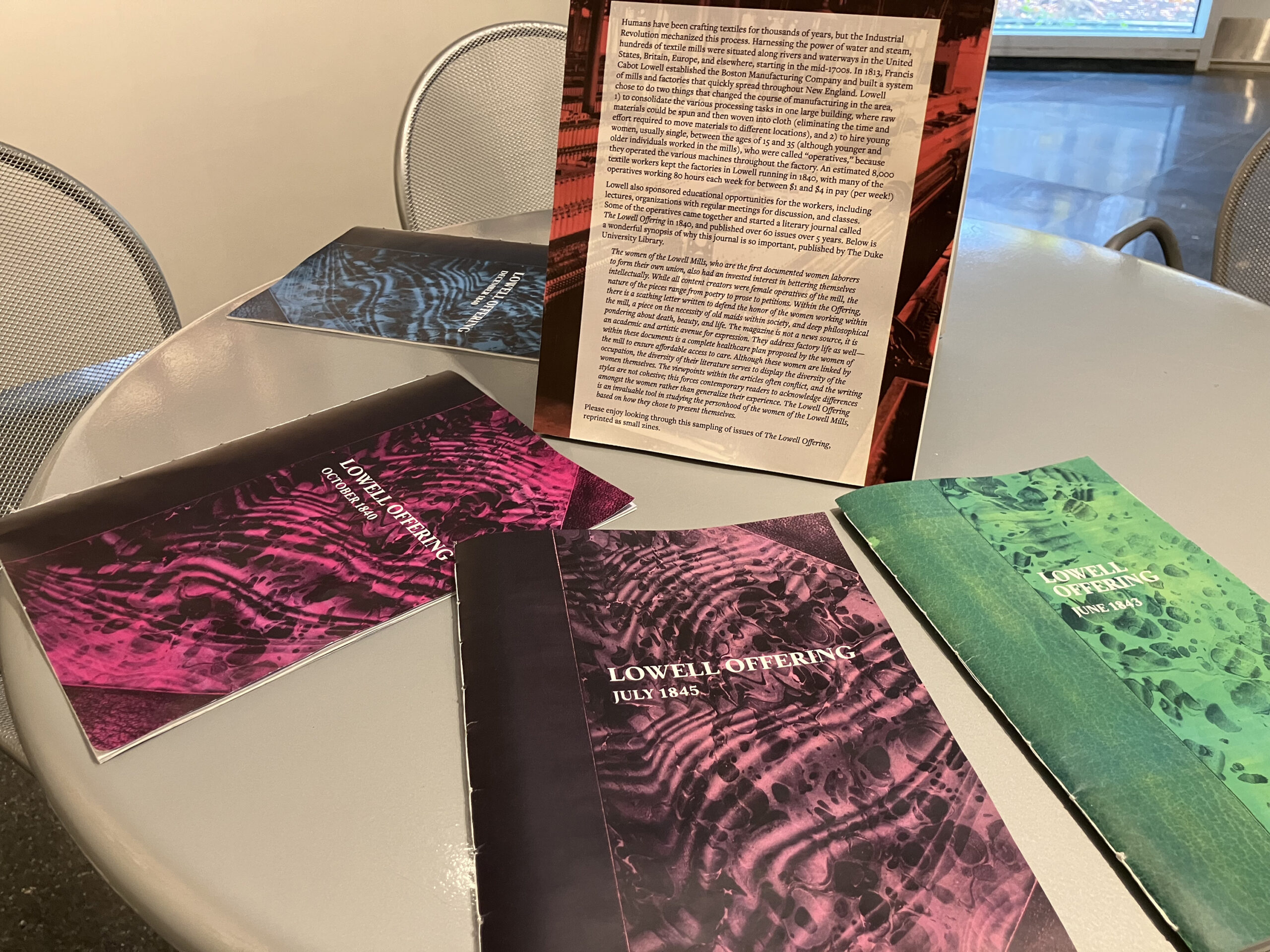
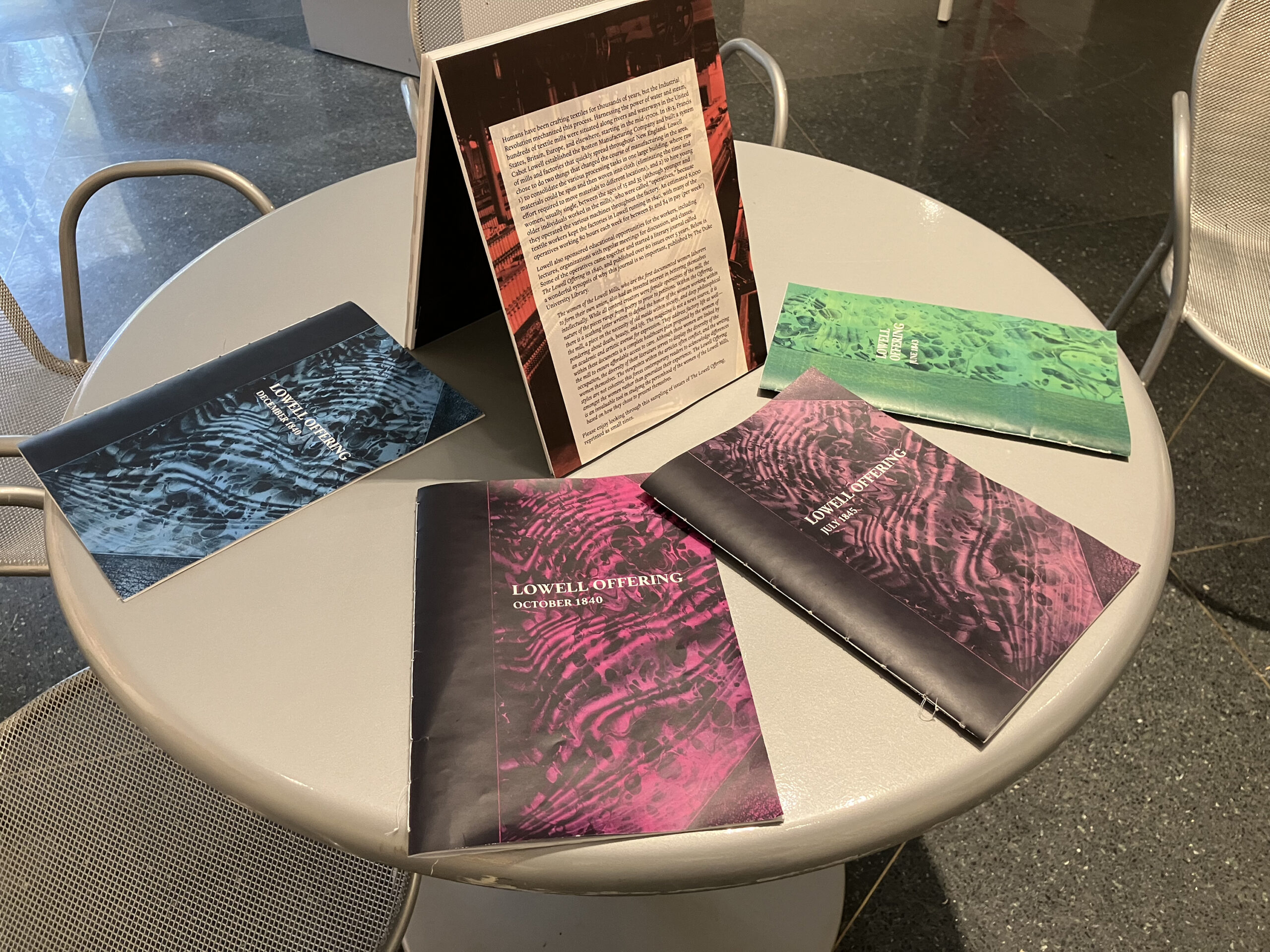
This series of posters and accompanying zines was included in the triennial faculty exhibition at the University of New Hampshire in the fall of 2025. The following is the artist statement included with the work.
“Pleasures there are, even in factory life; and we have many, known only to those of like employment. To be sure it is not so convenient to converse in the mills with those unaccustomed to them; yet we suffer no inconvenience among ourselves. But, aside from the talking, where can you find a more pleasant place for contemplation? There all the powers of the mind are made active by our animating exercise; and having but one kind of labor to perform, we need not give all our thoughts to that, but leave them measurably free for reflection on other matters.” [S.G.B., “Pleasures of Factory Life,” The Lowell Offering, December 1840]
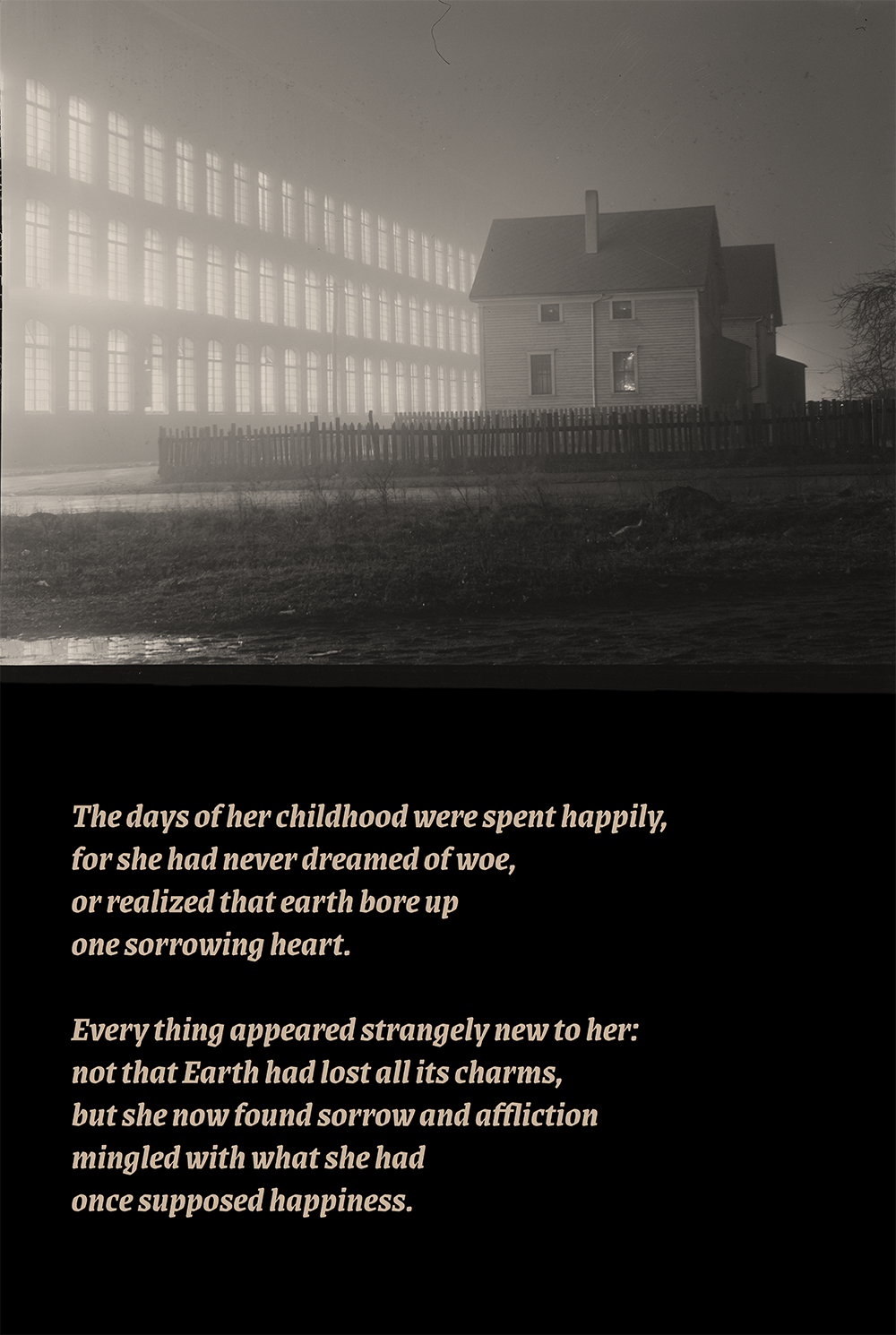
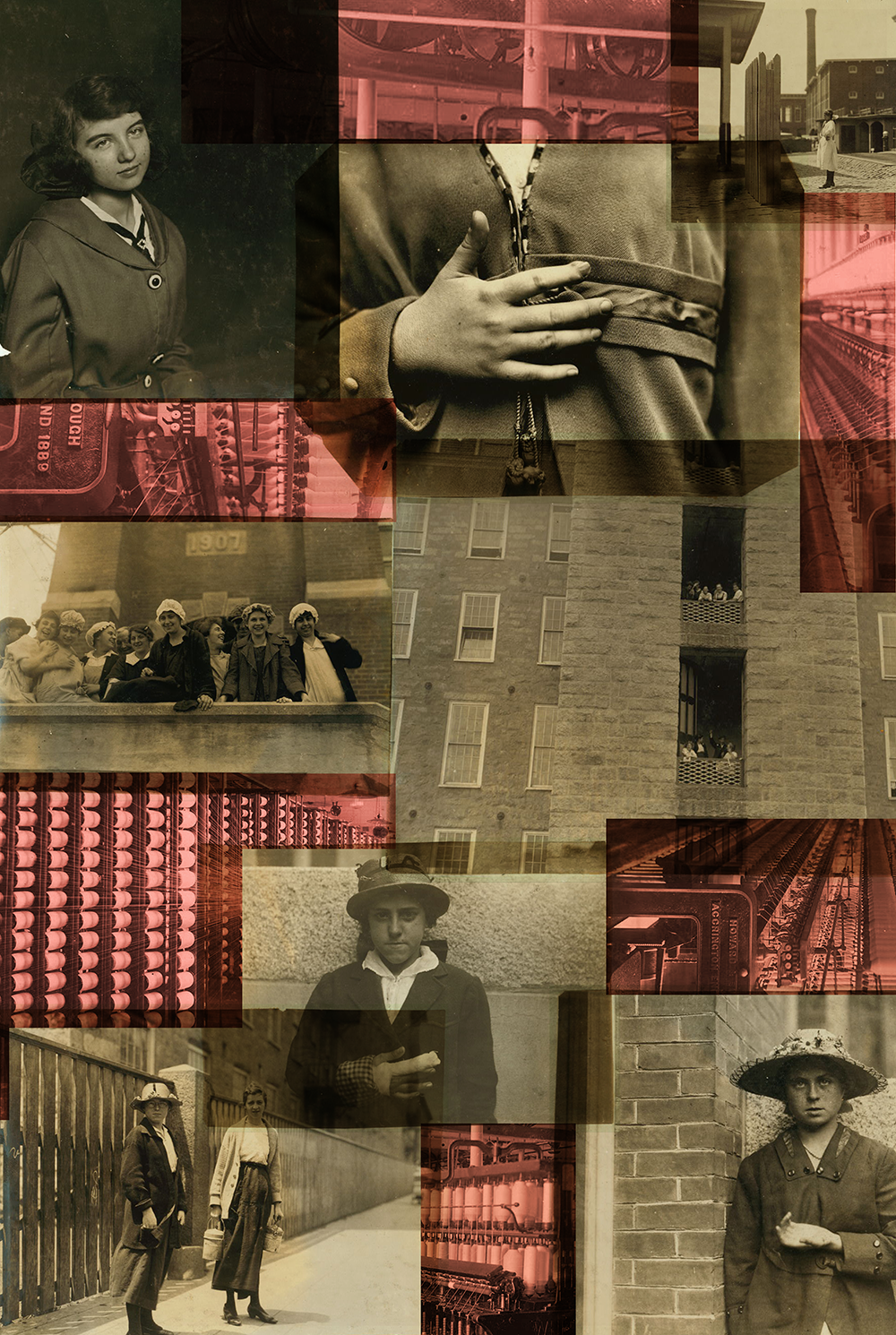
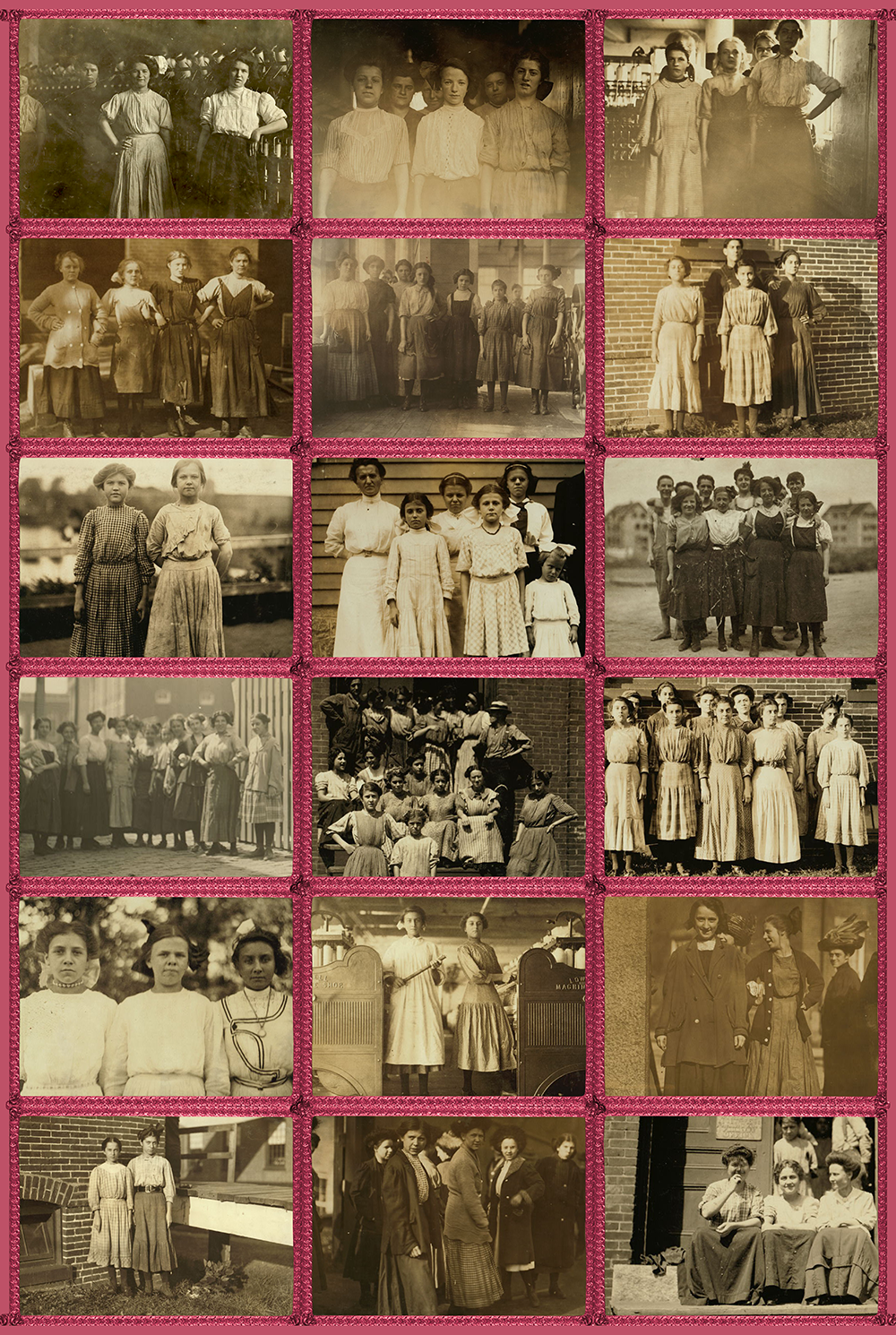
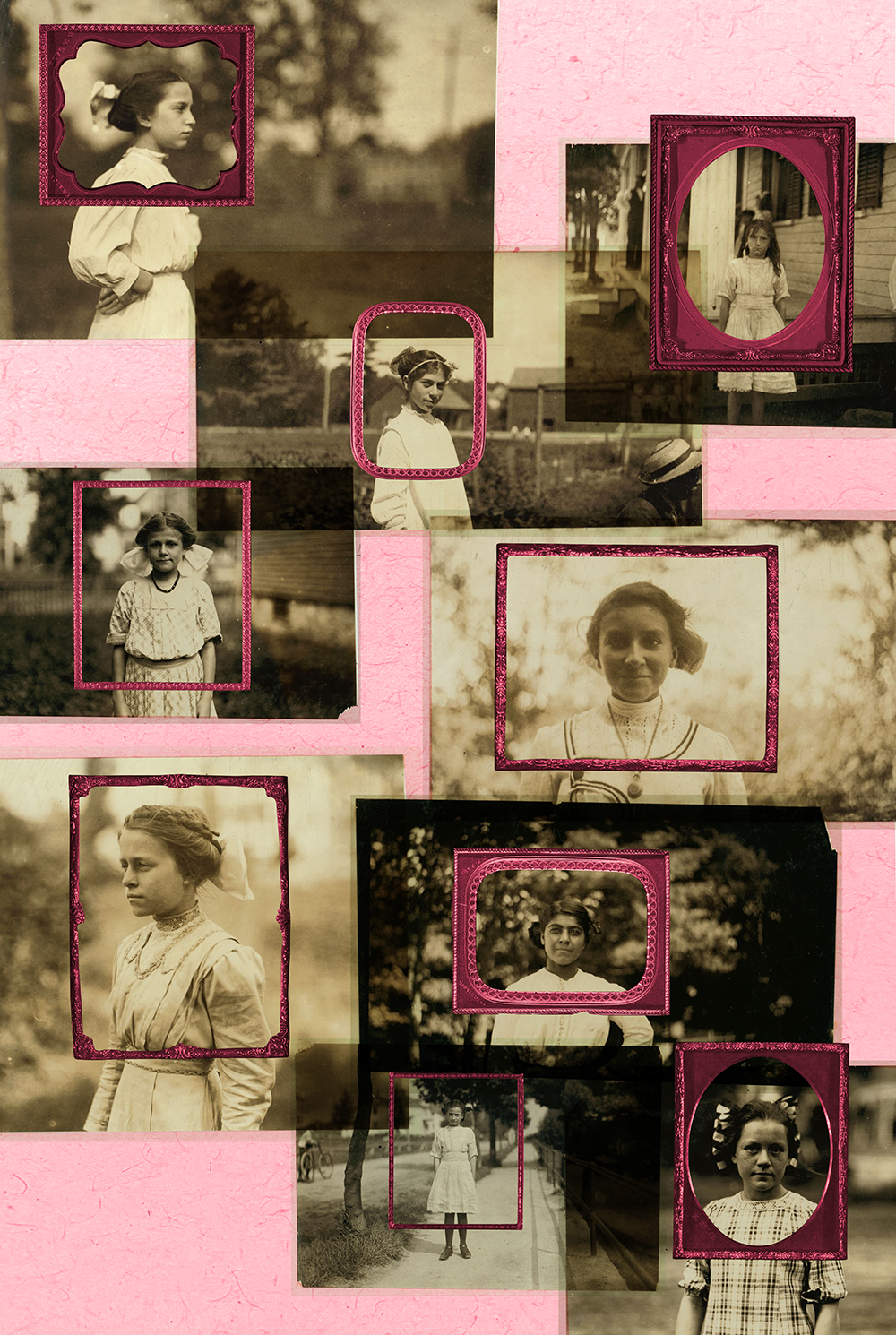
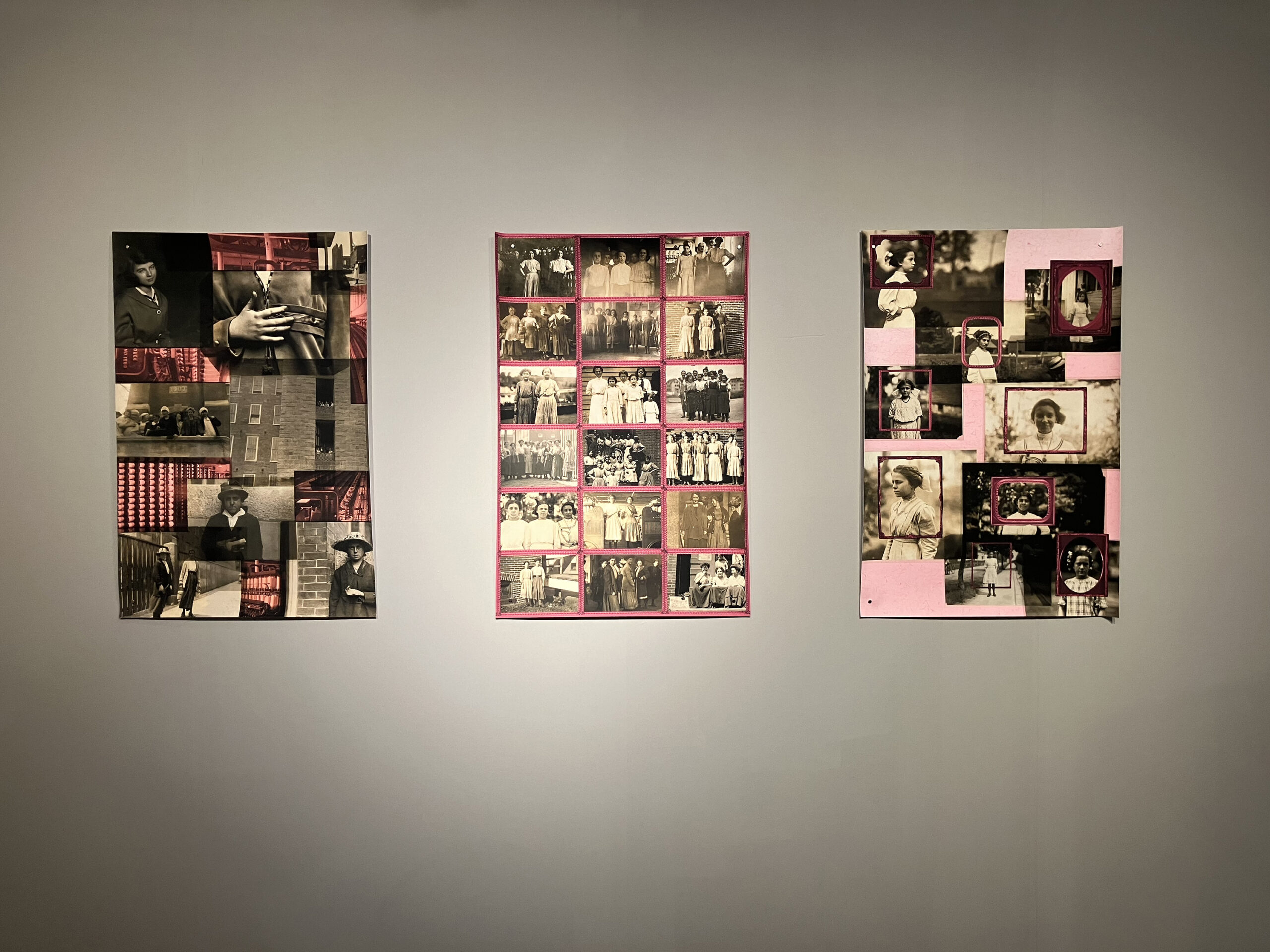
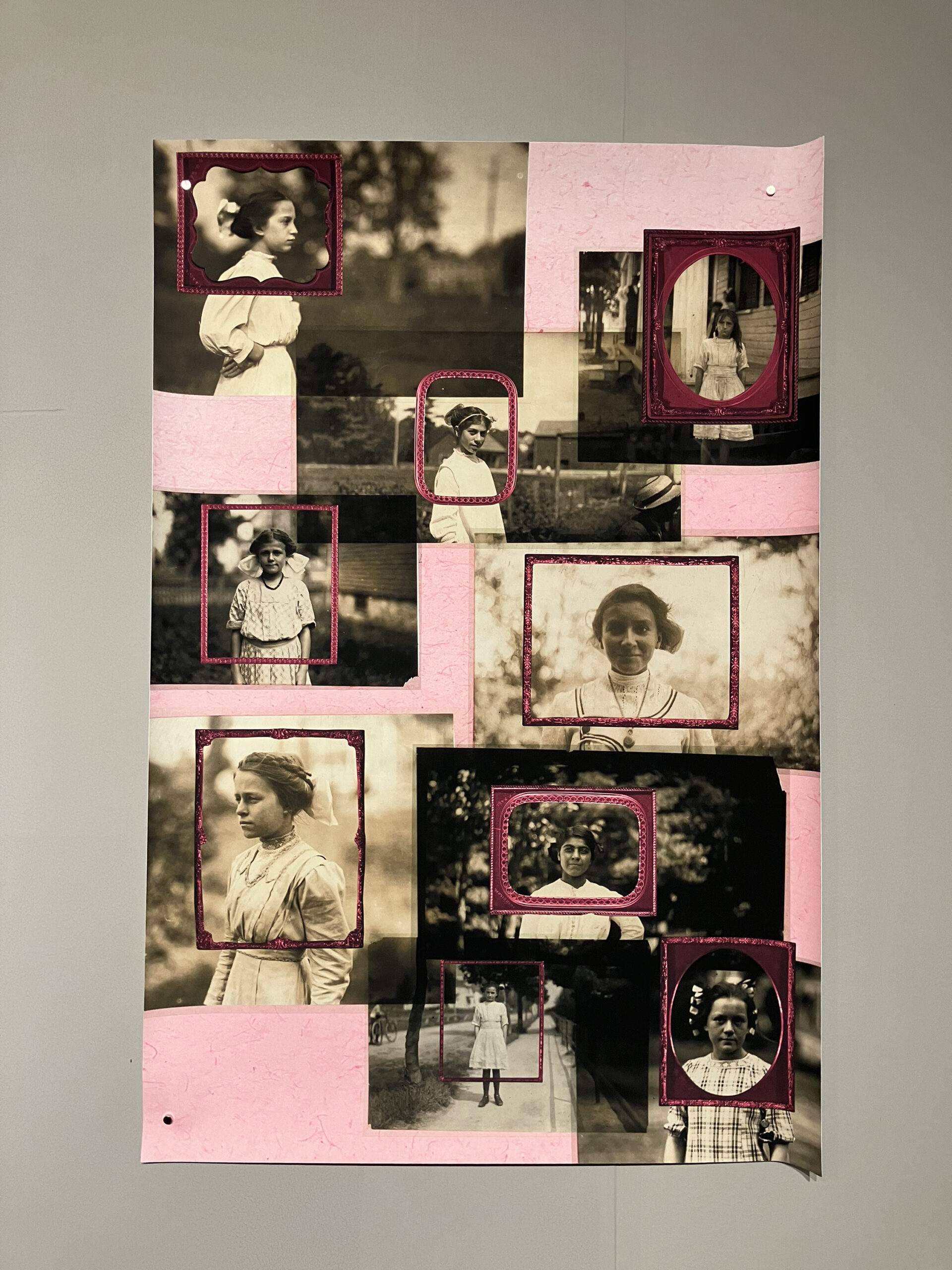
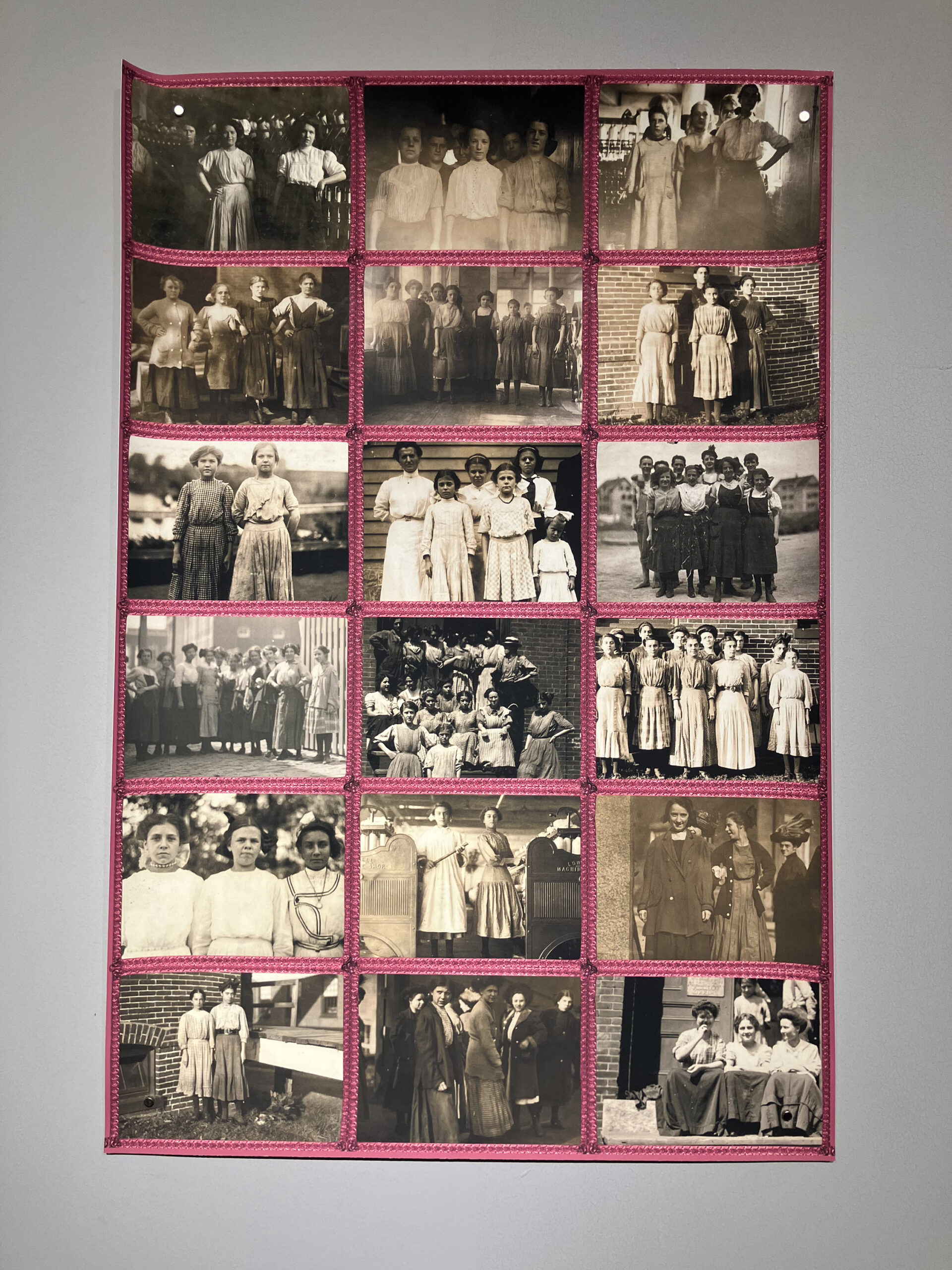
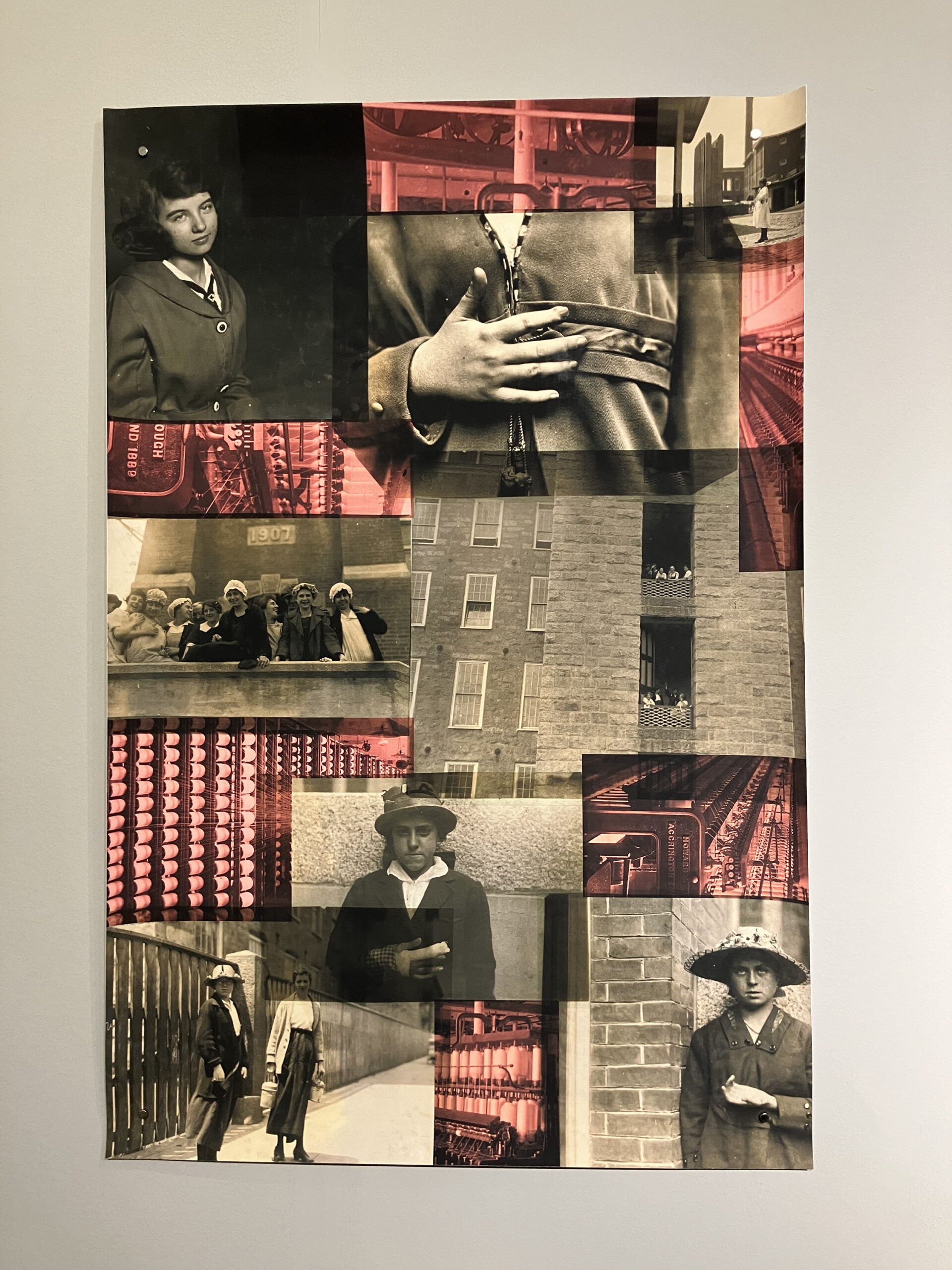
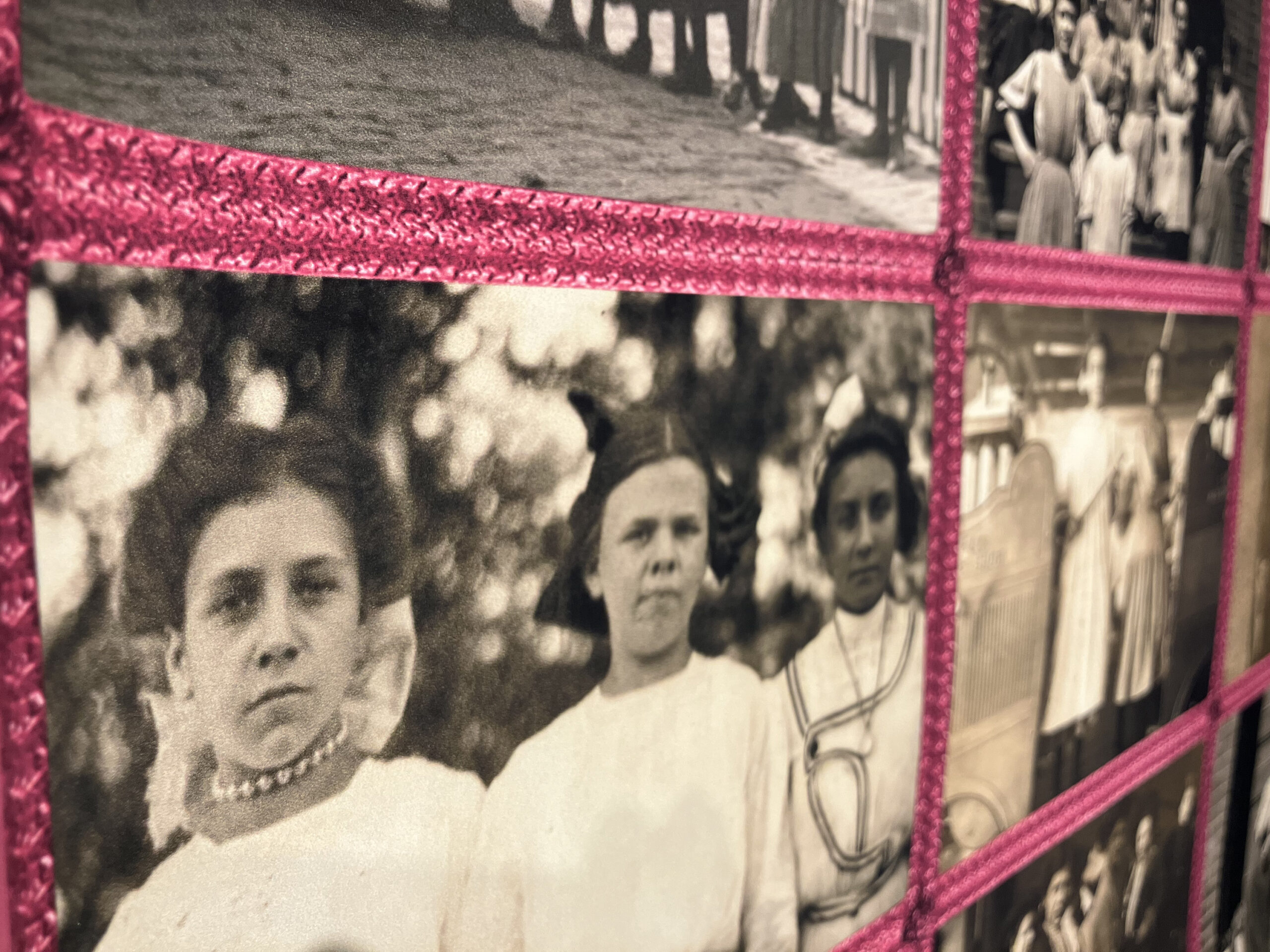
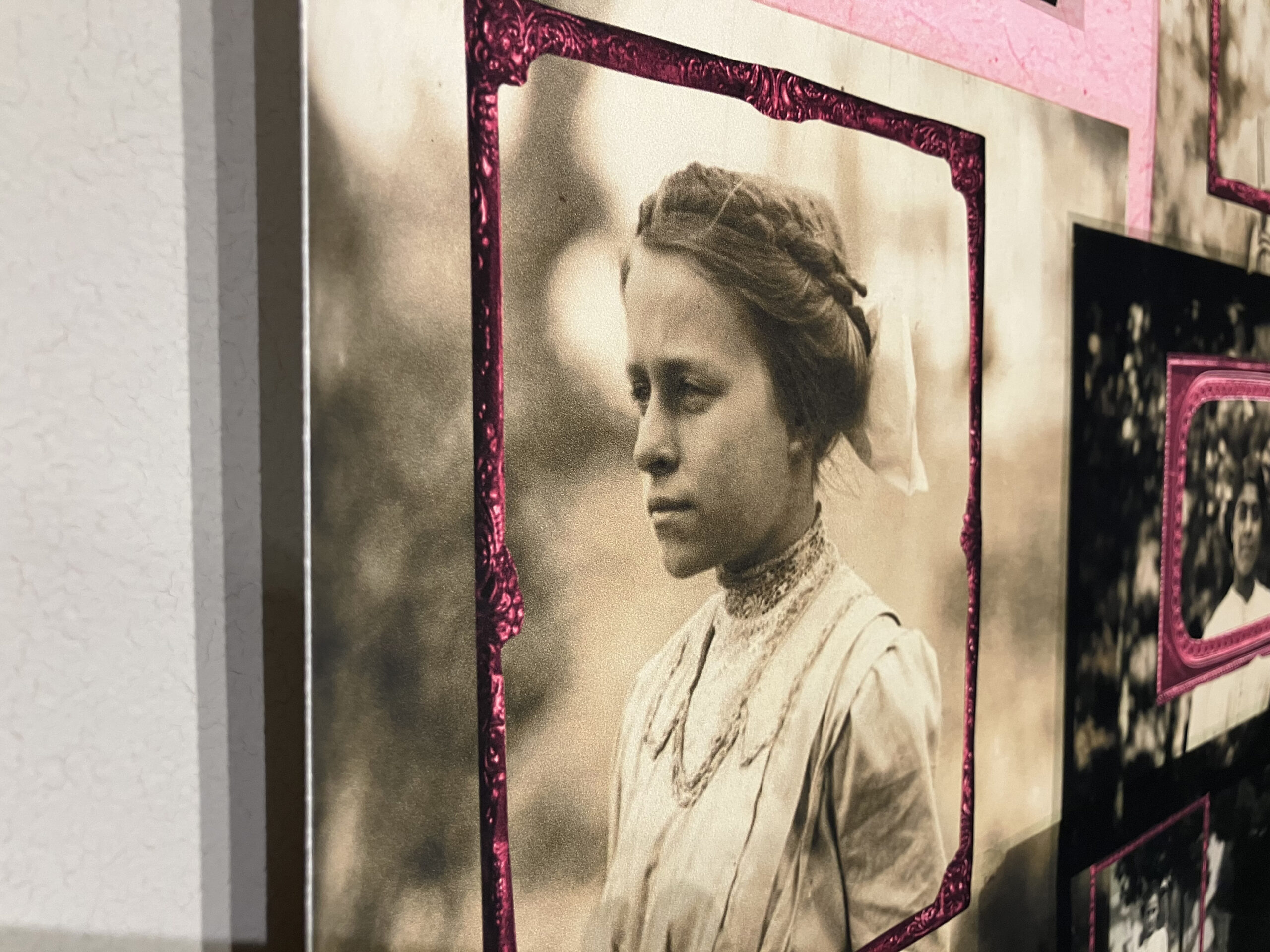
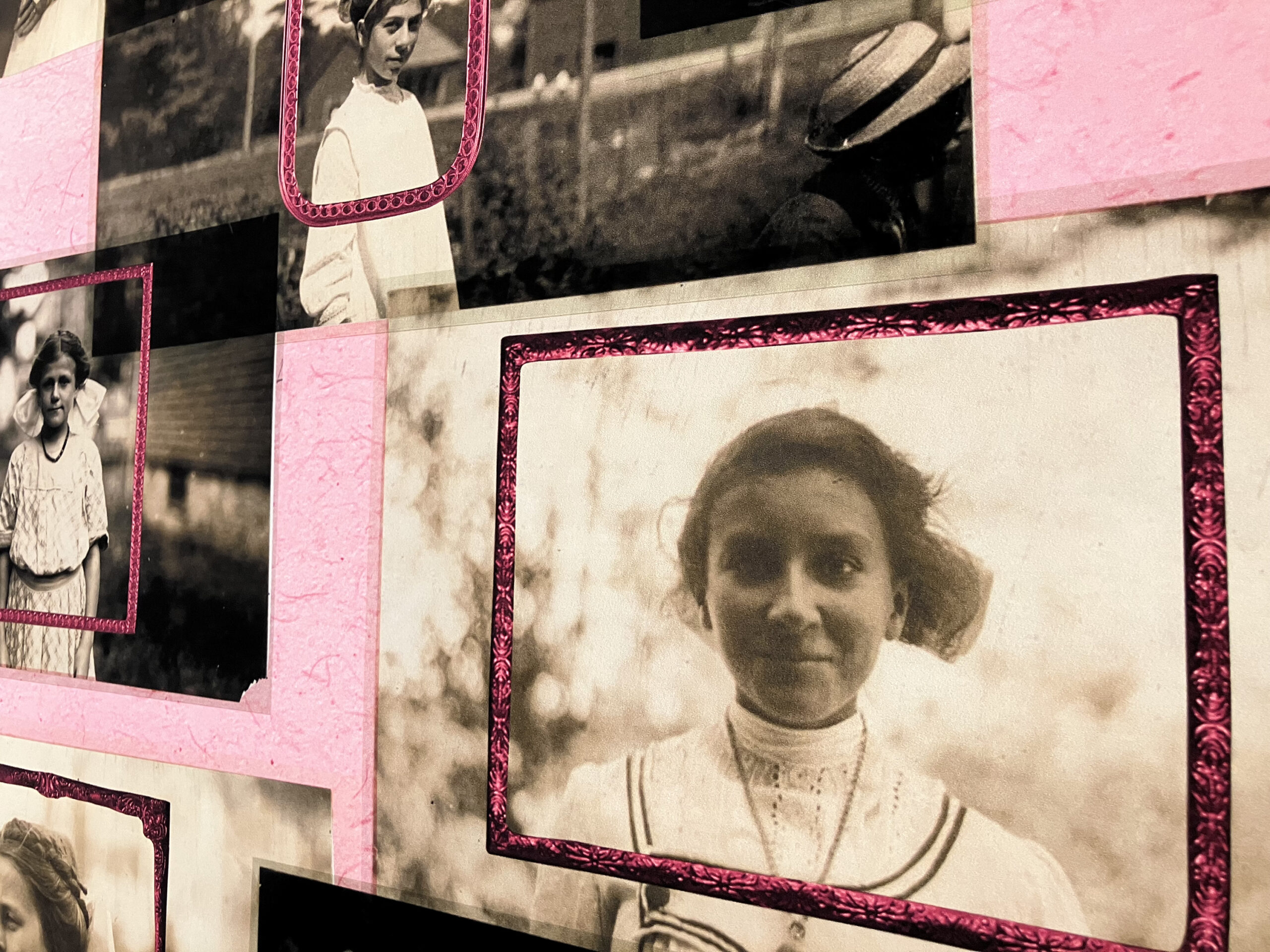
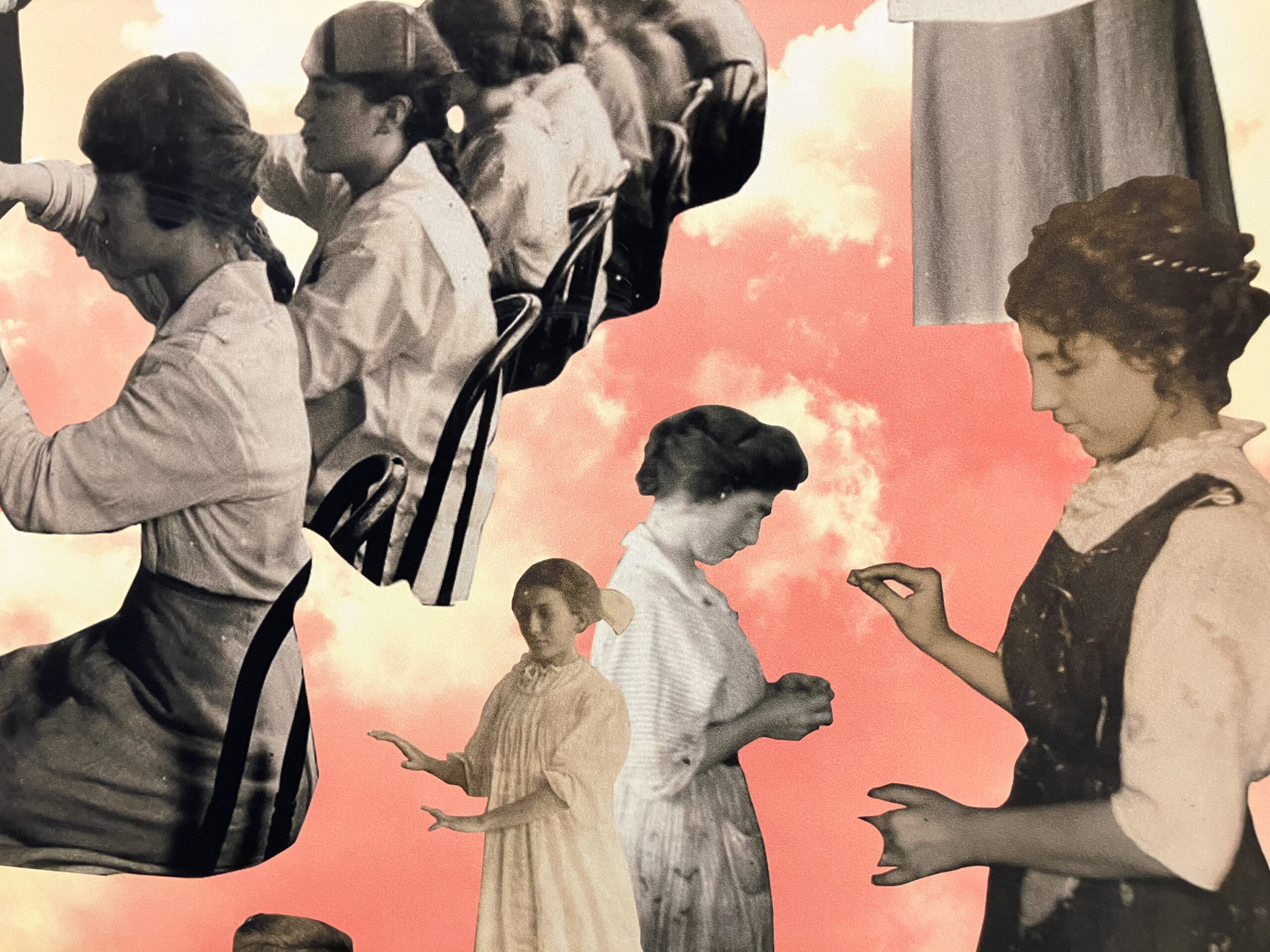
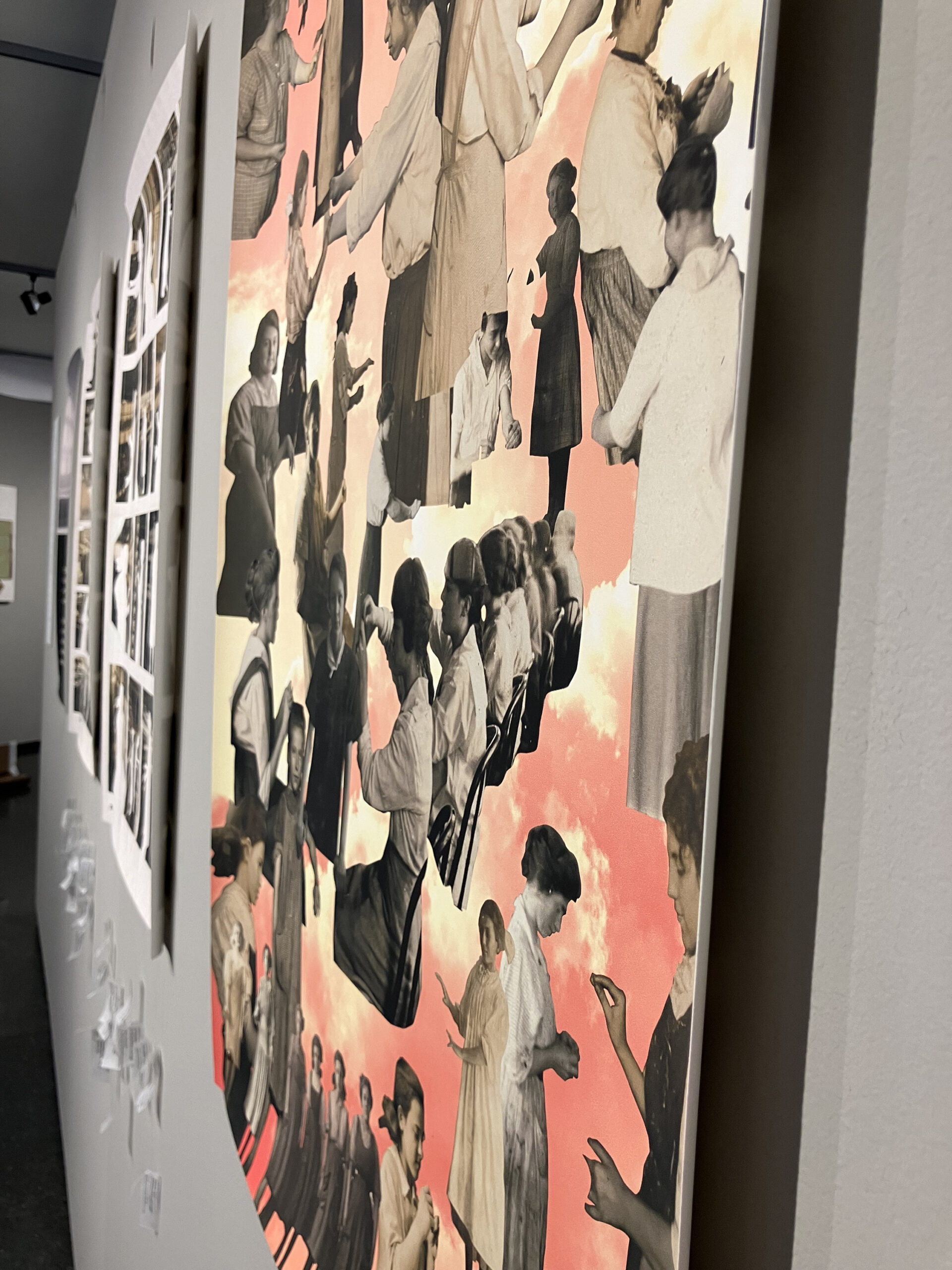
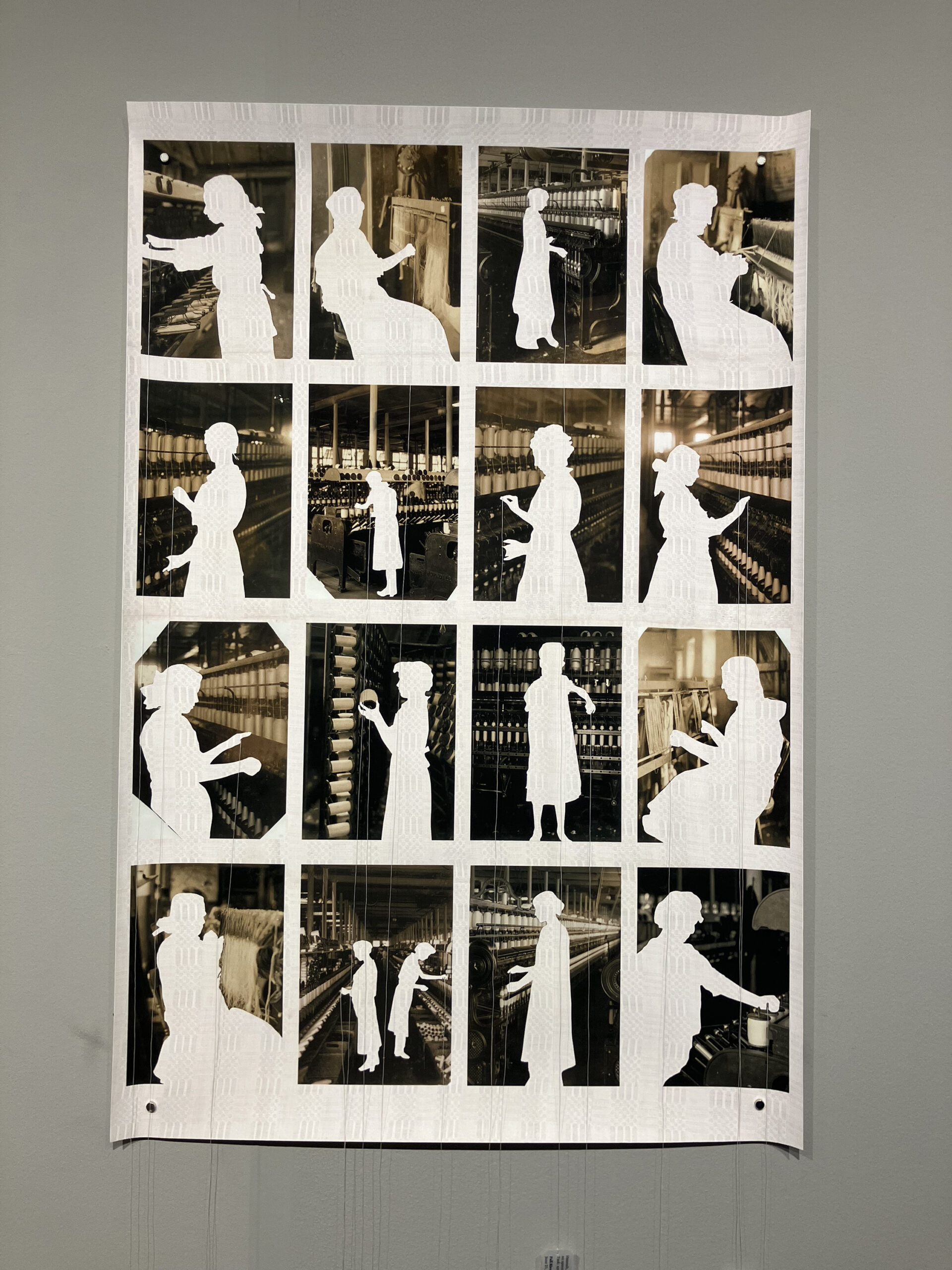
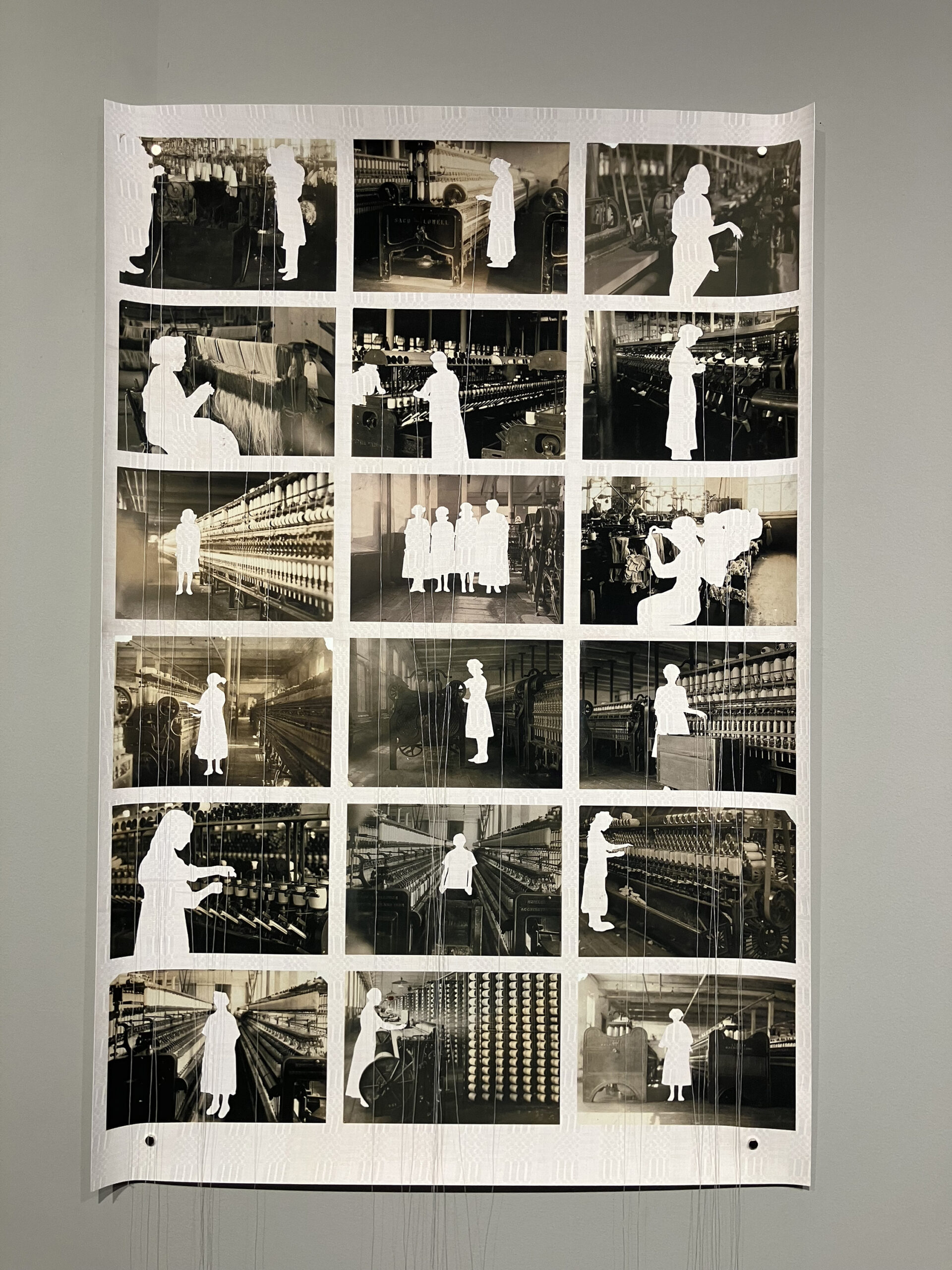
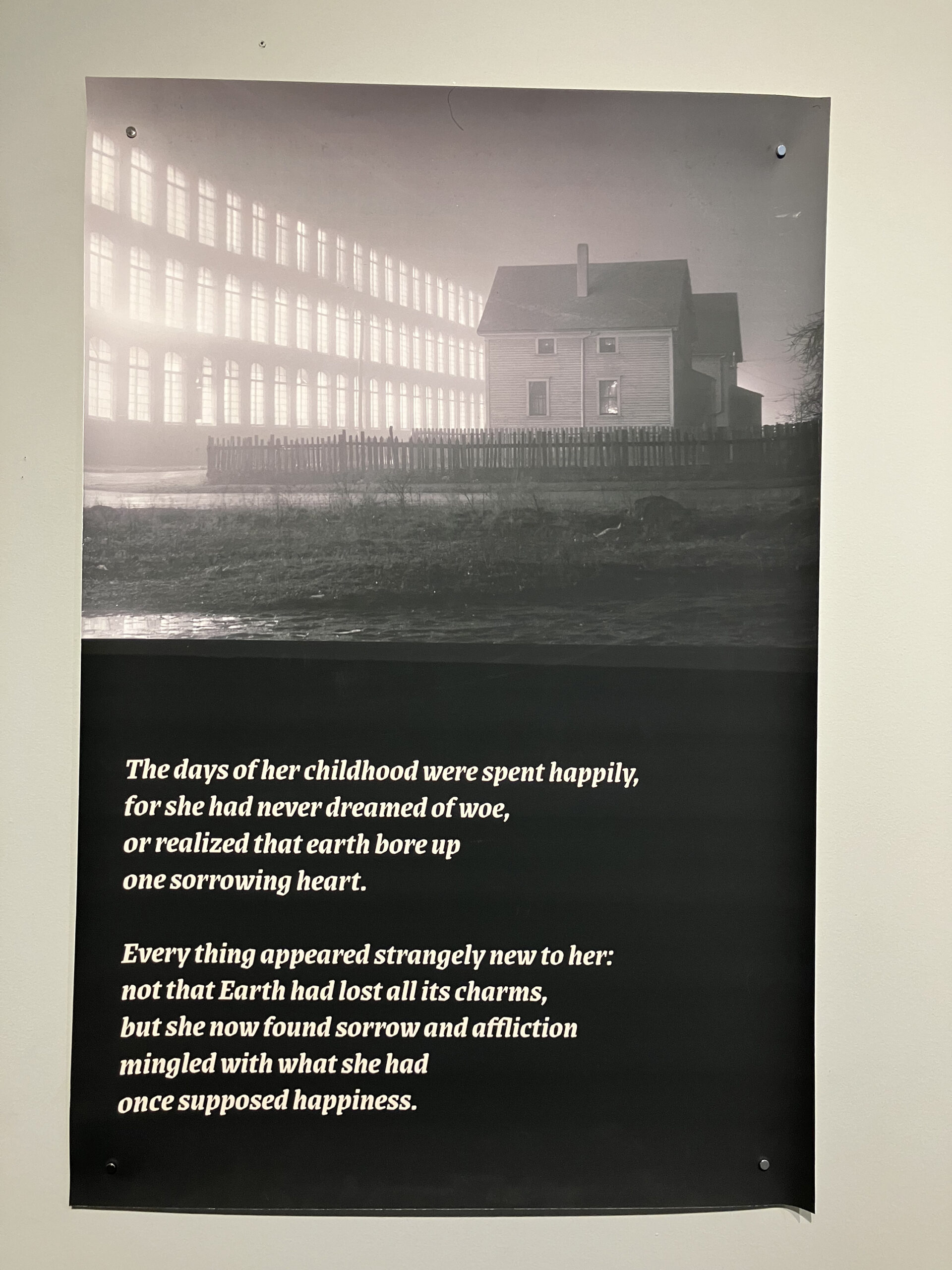
One Sorrowing Heart explores archival photographs and texts that document the lived experiences of girls and women working in the textile mills of New England (focusing on the mid-1840s through the early 1900s). These posters use photographs of the mills and mill workers from the National Child Labor Committee Collection at the US Library of Congress (systematically captured by Lewis Hine between 1908 and 1924), and content from The Lowell Offering, a literary journal wholly created by (predominantly female) mill workers at the Lowell textile mills from 1840 through 1845. While these young workers endured deprivation, hardship, and harsh working and living conditions, they also often wrote of the sense of freedom and empowerment that their employment brought them, especially at a time when options for women were quite limited. This sense of freedom is evident in many of these images, showing girls and women facing the camera with defiance, confidence, resilience, moxie, and pride. What might we glean about our own lives and conceptions of labor by examining the textures of theirs?
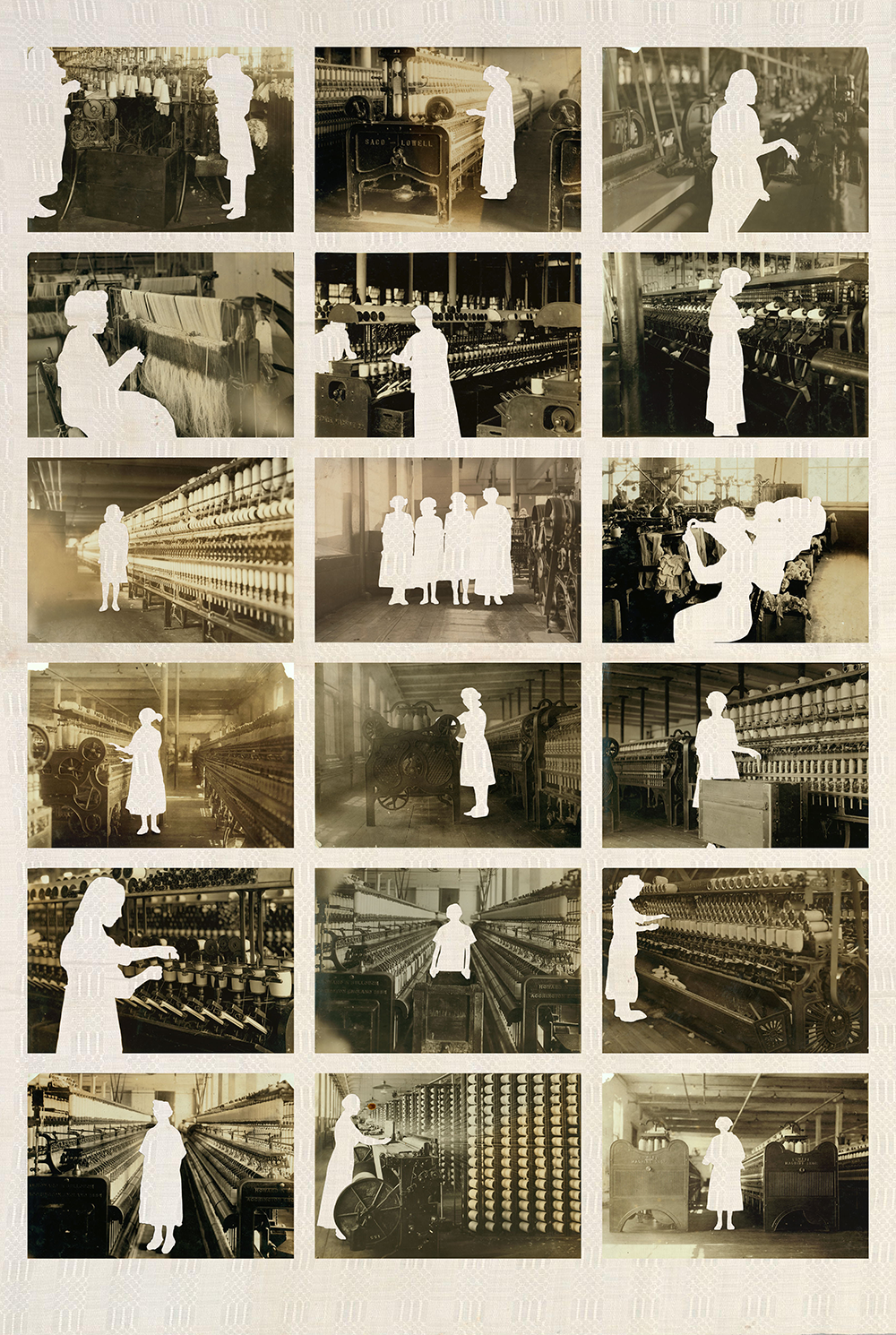
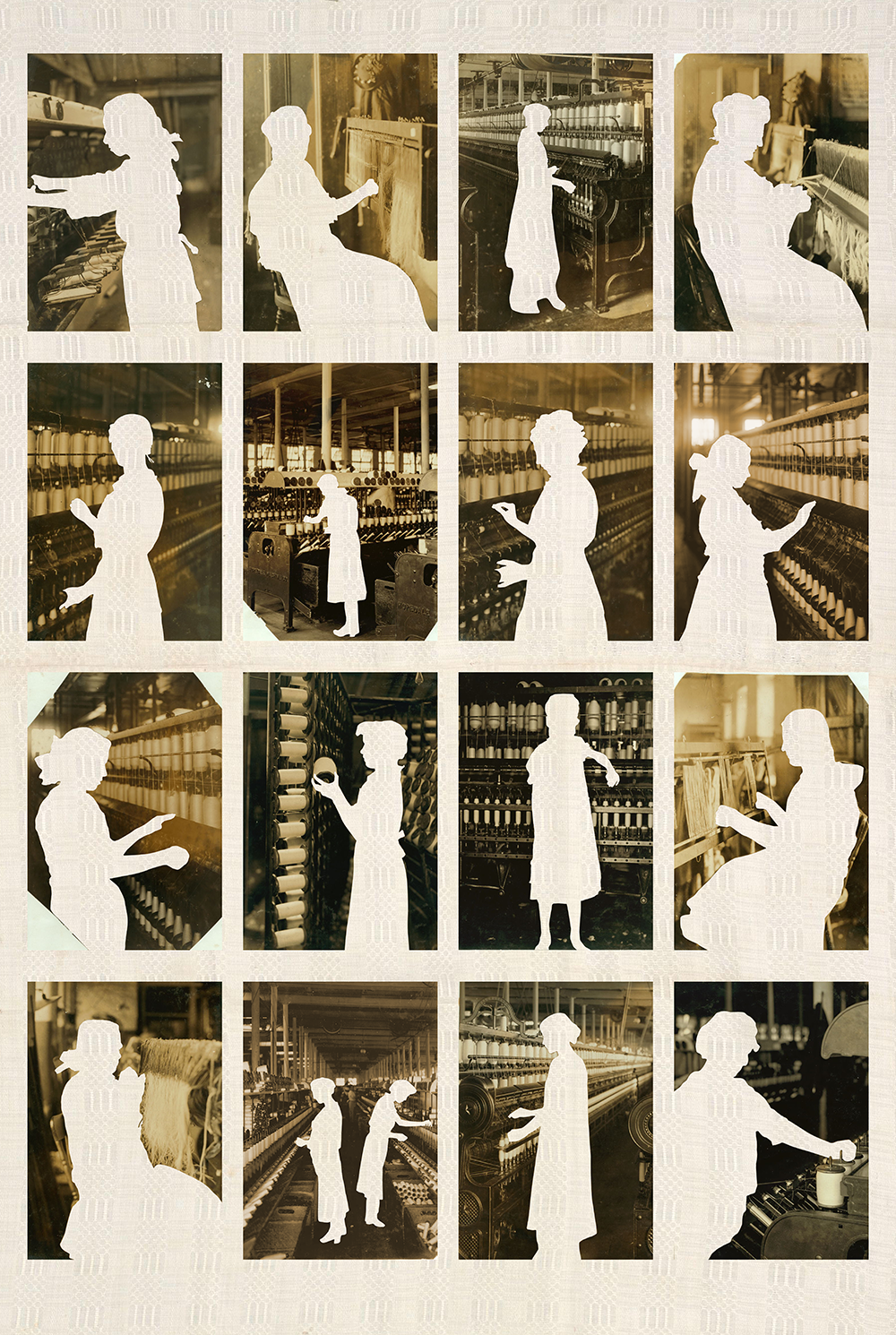
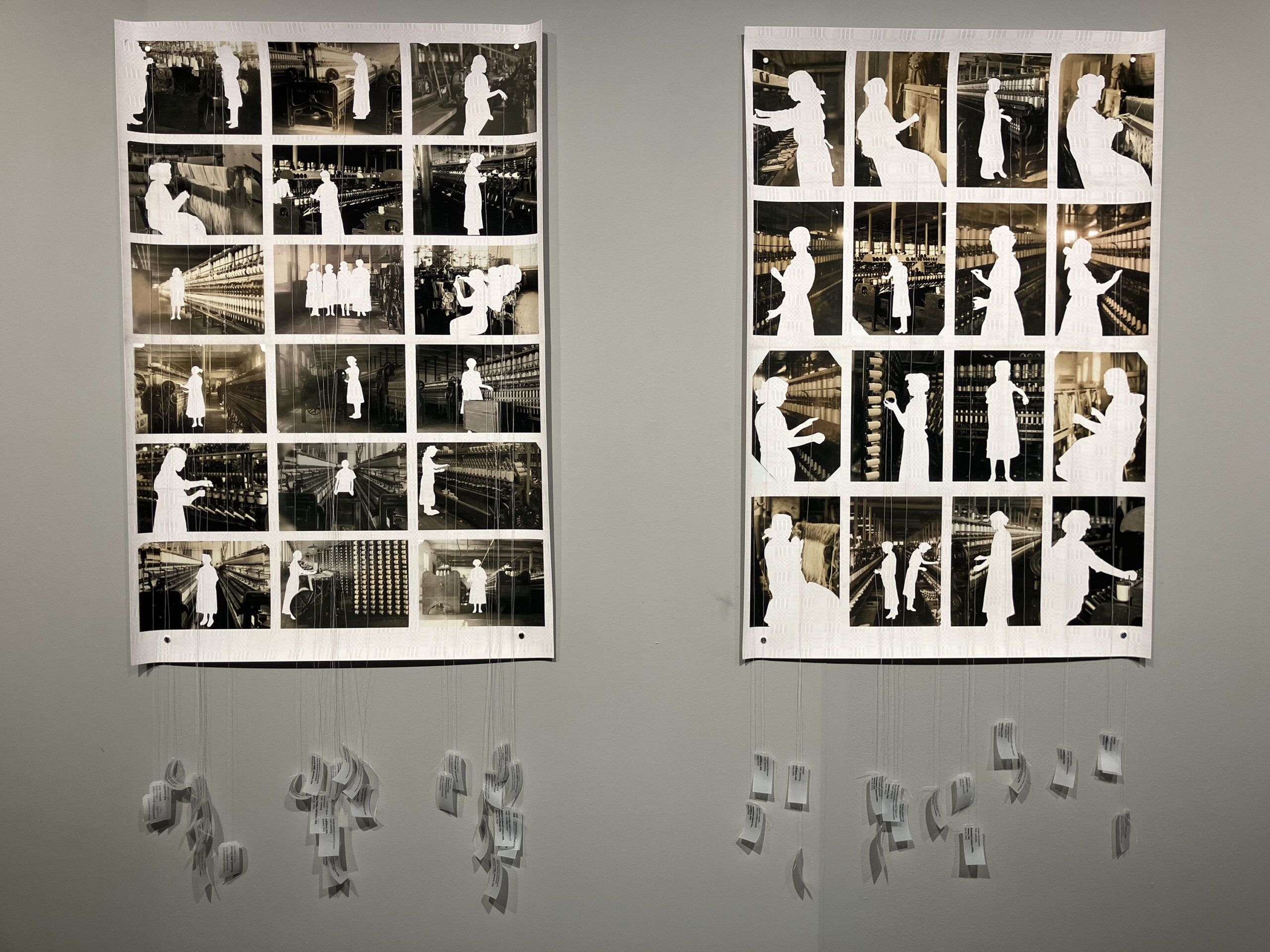
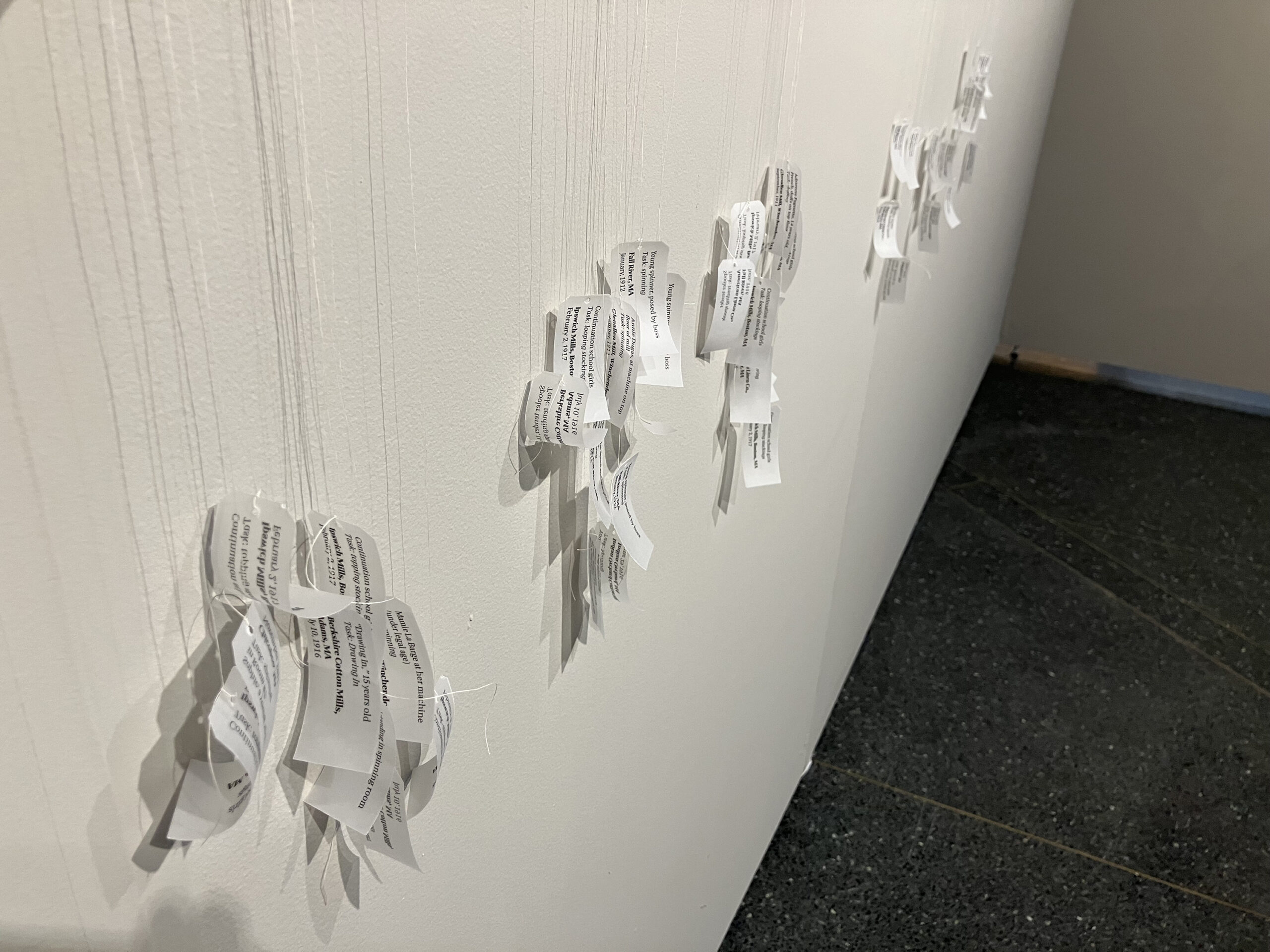
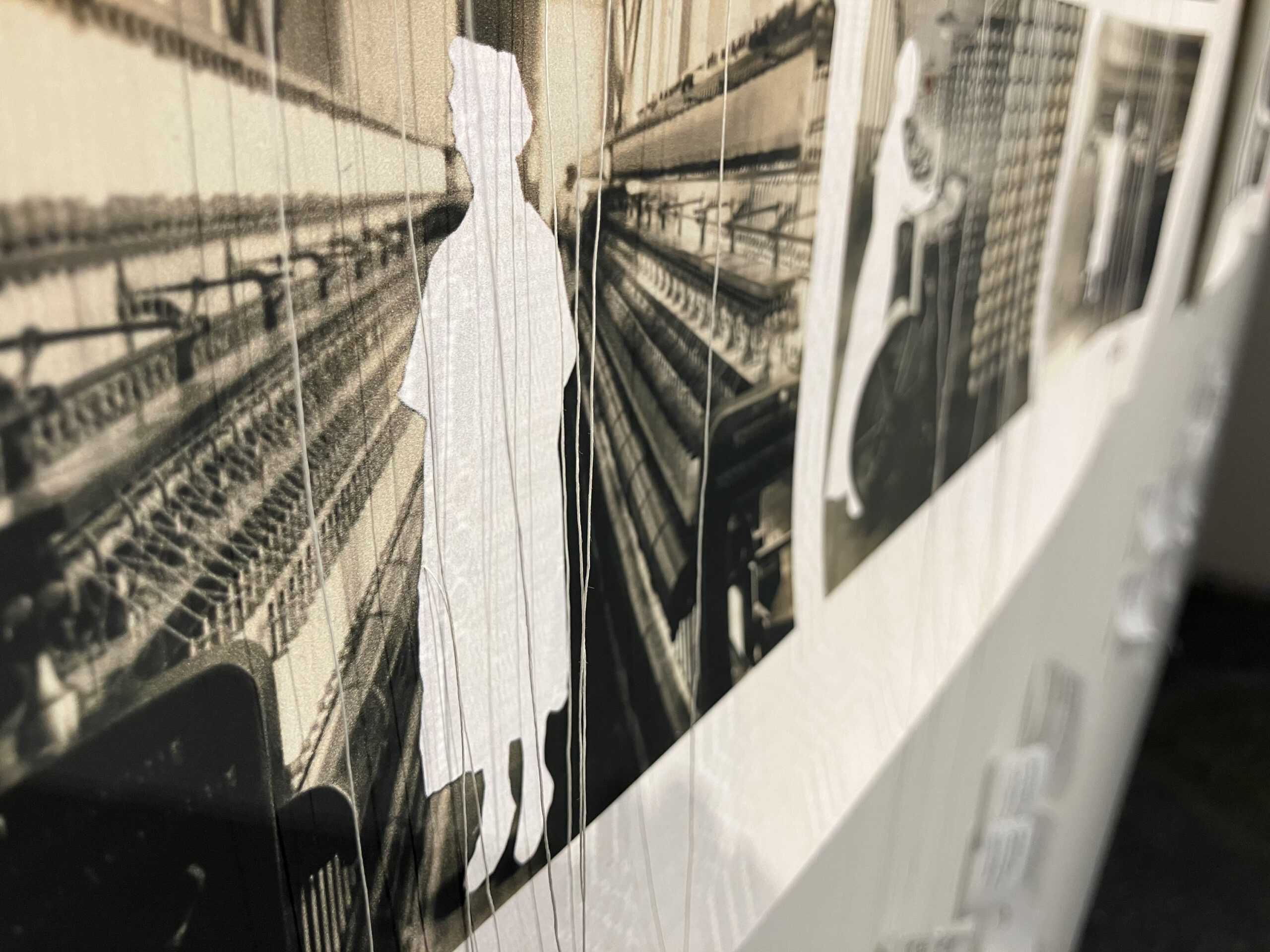
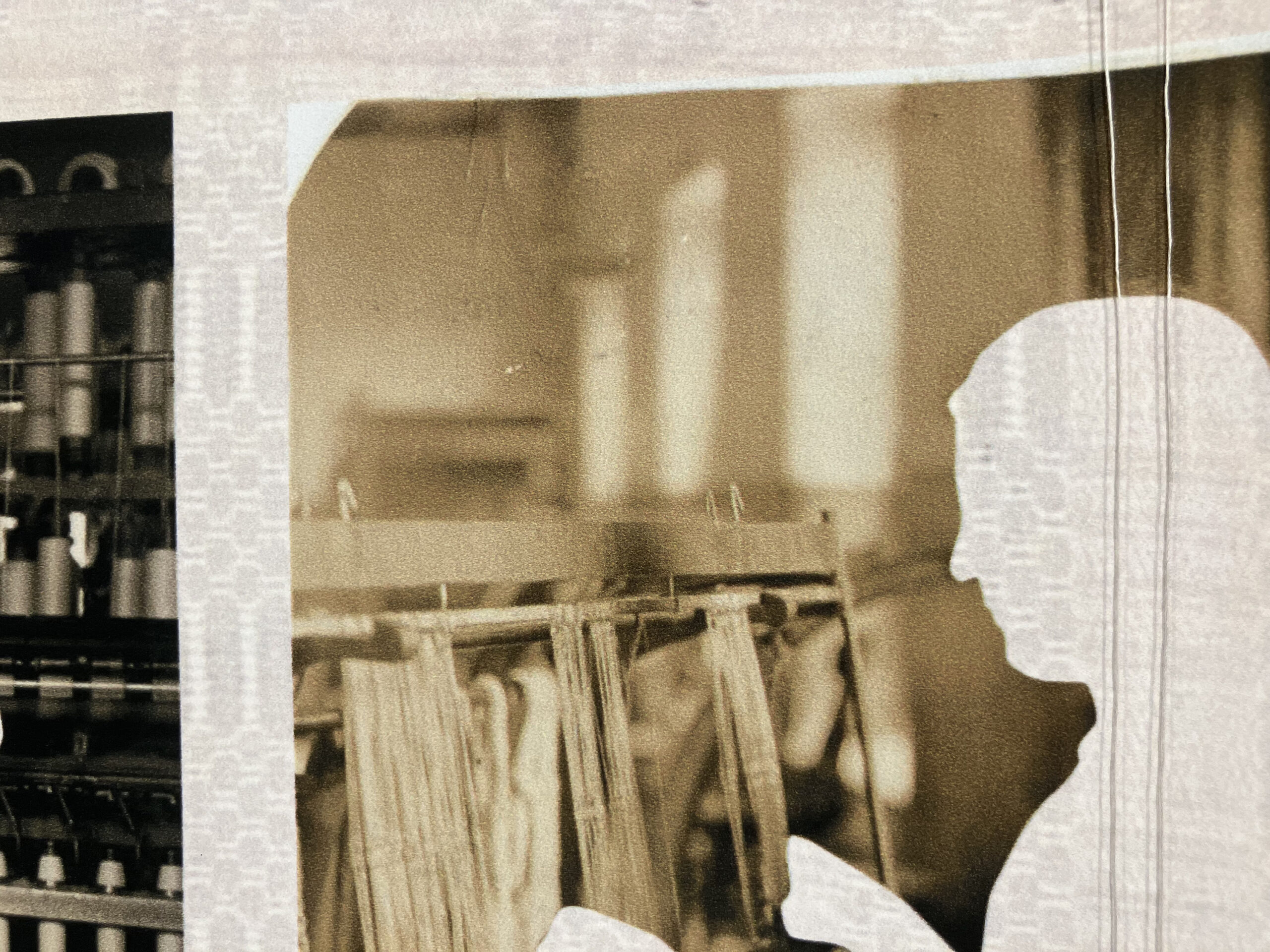
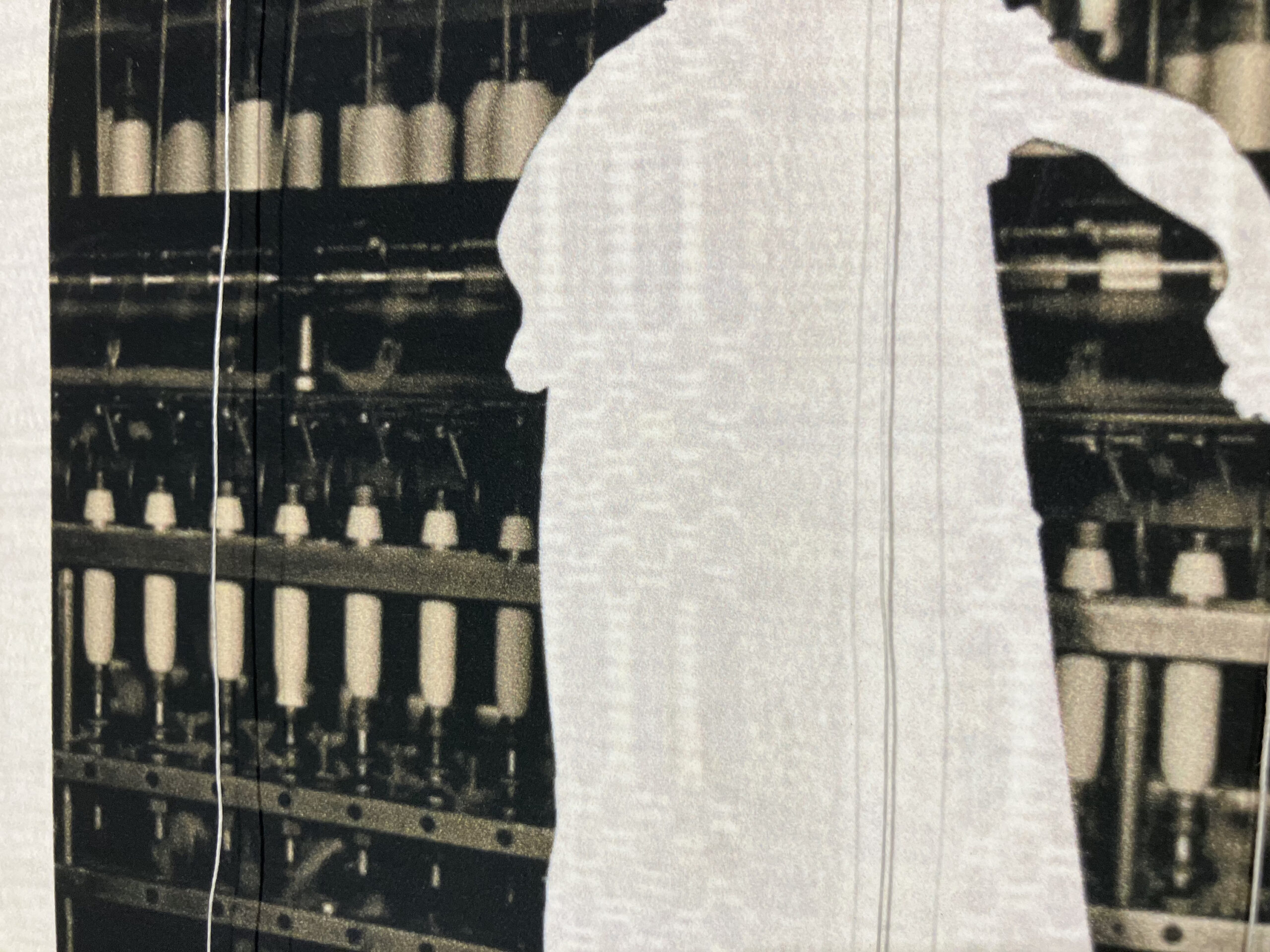
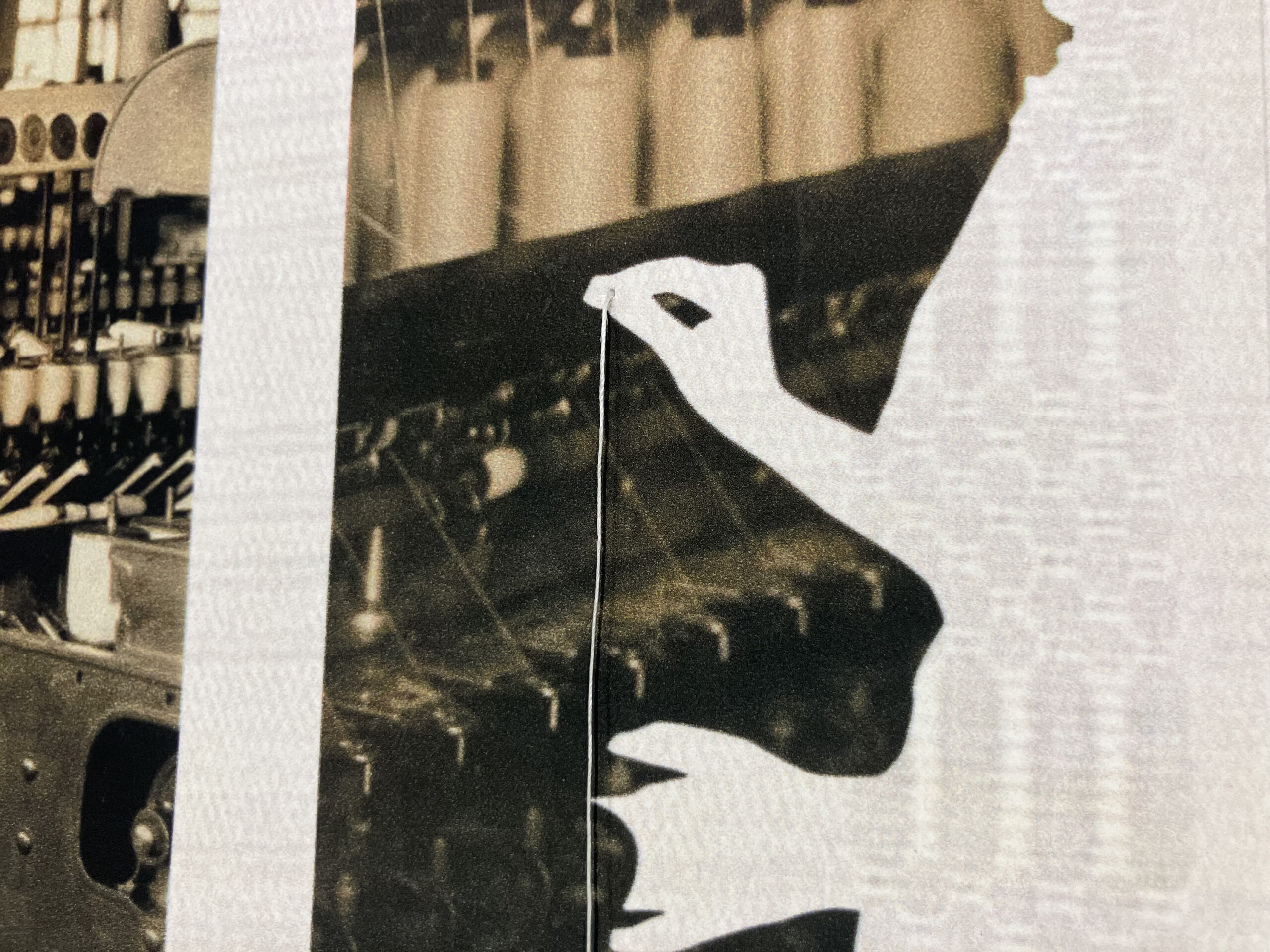
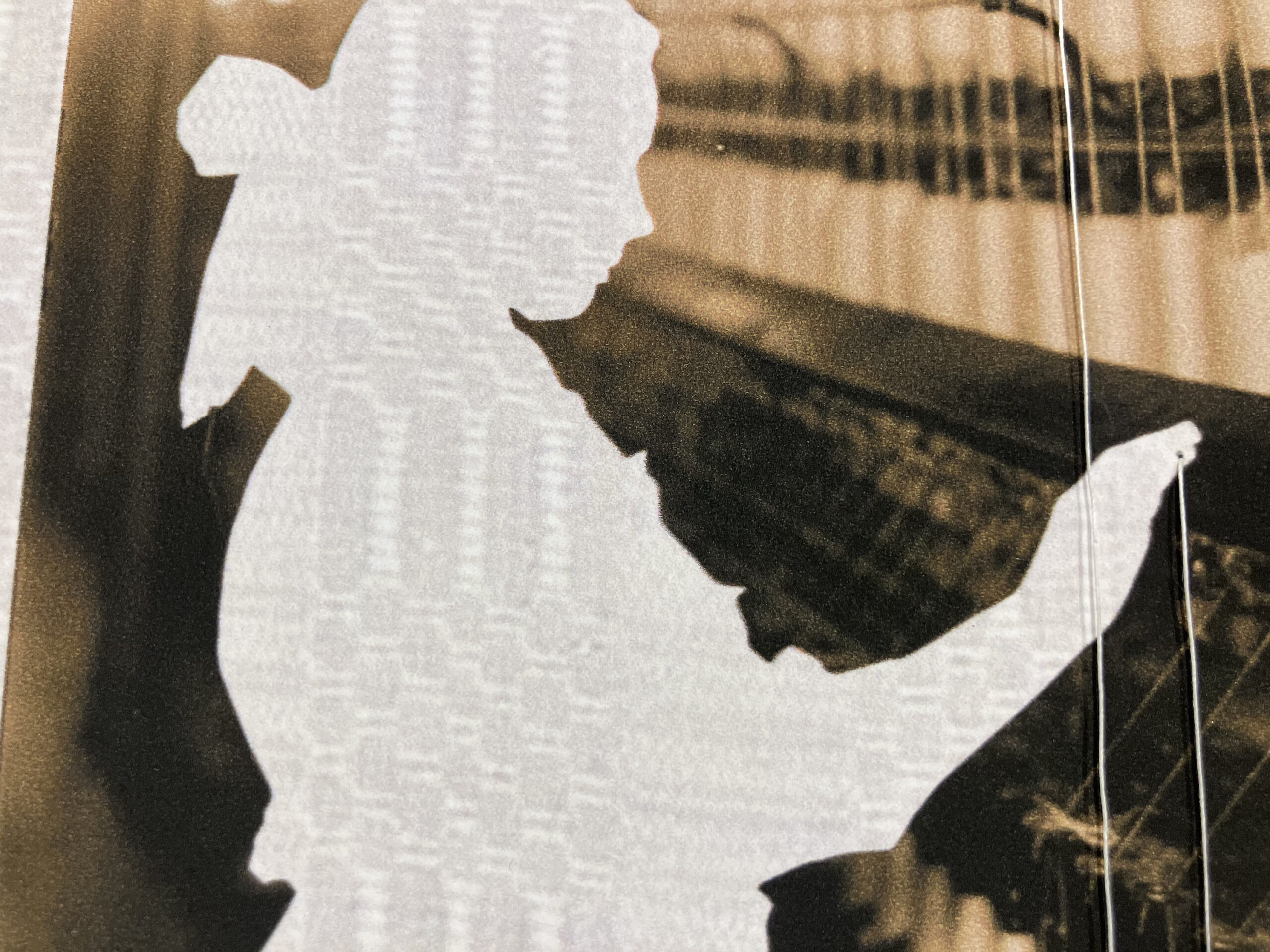
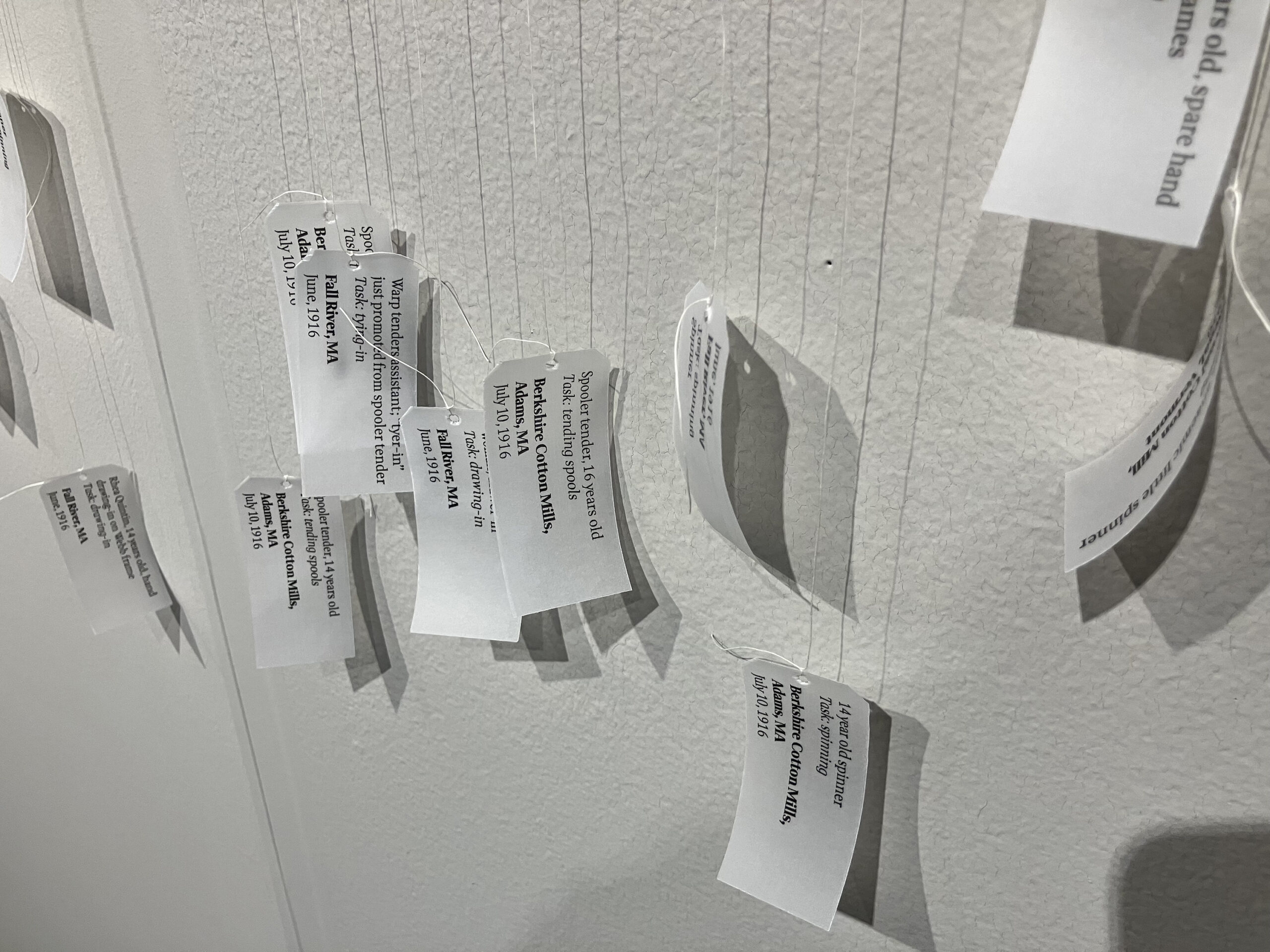
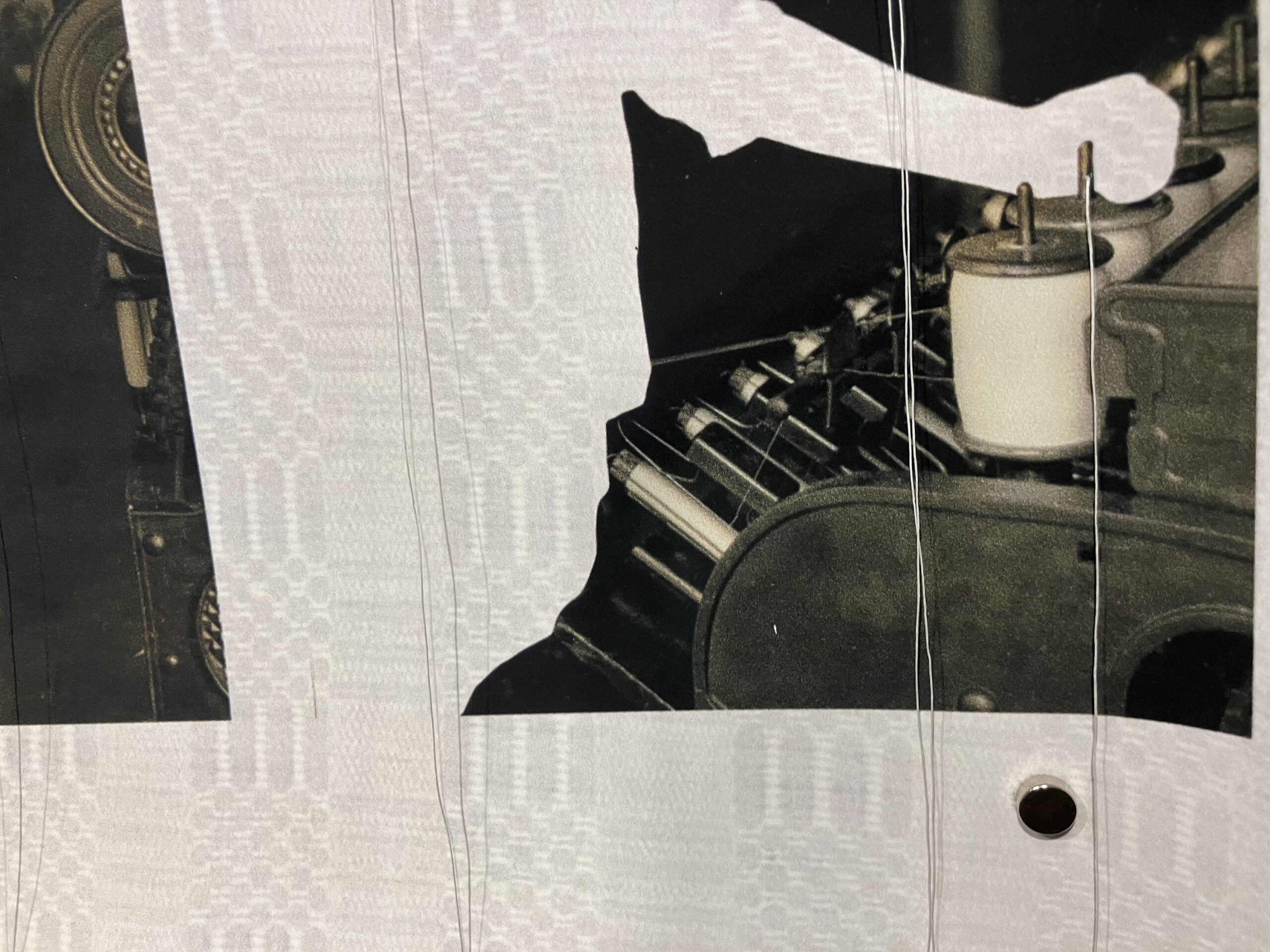
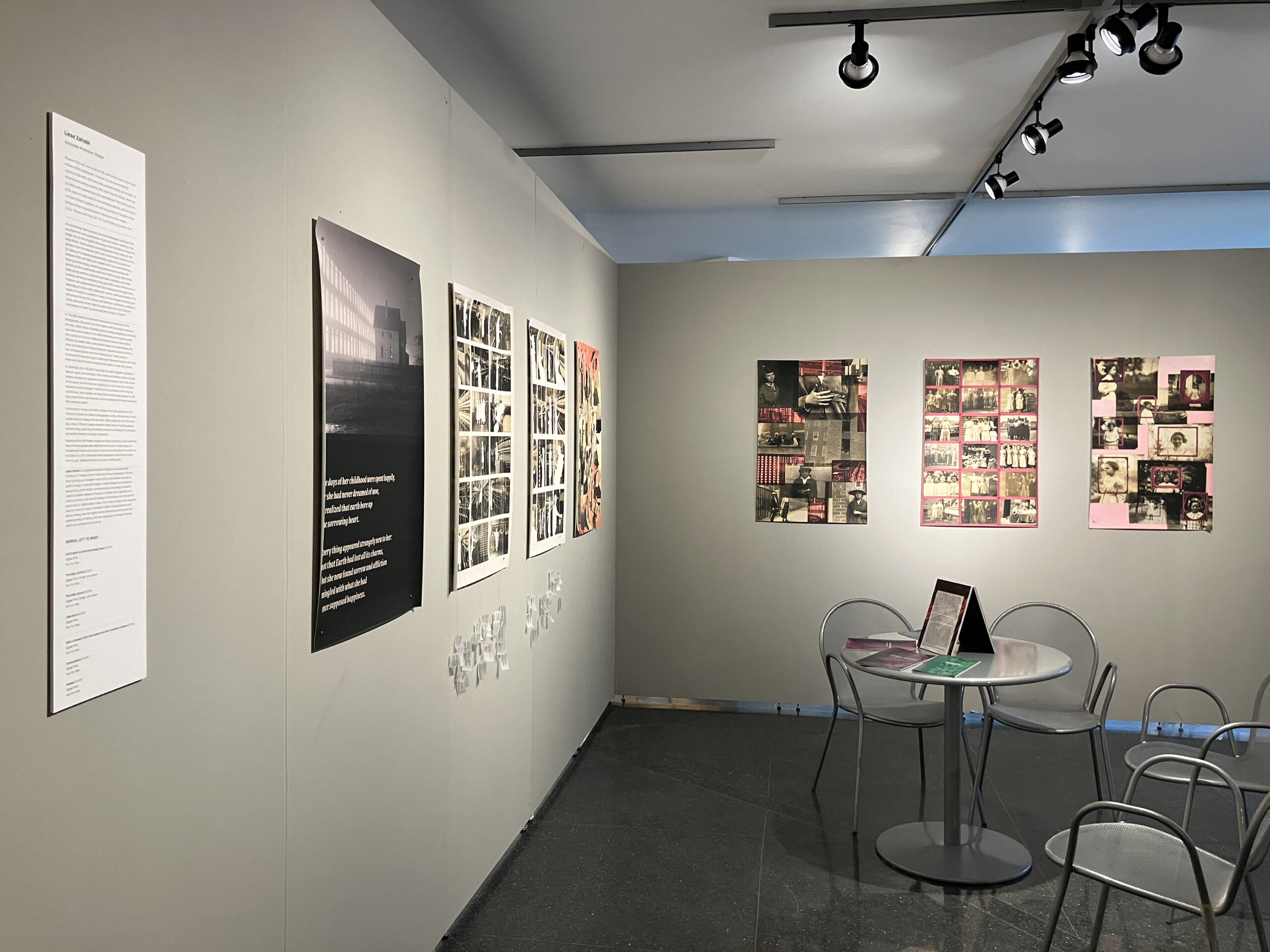
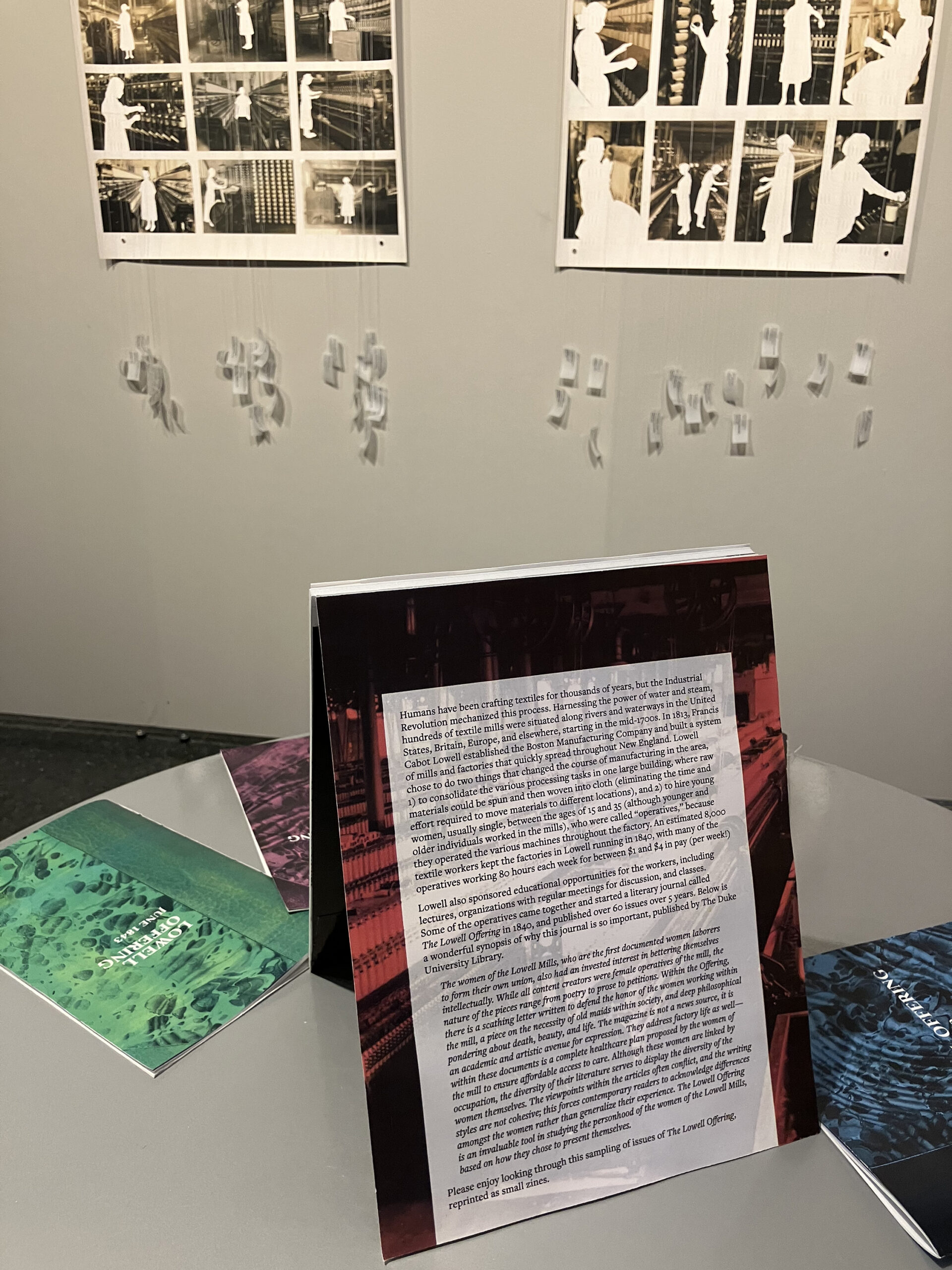
In The Mills, Bereft, the workers have been trimmed out of the photographs, liberated from their labors and the physical space of the mills. While these incredible (and incredibly dangerous) machines spun and wove textiles in the mills efficiently and at great speed, they could not function without persistent human intervention. Without the skilled labor and nimble fingers of human bodies, the noise and vibration of these elaborate machines would grind to a halt. Do these spaces miss the missing girls? These posters incorporate thread and tags to label each liberated worker with their name and role (if known), marking their place in case they return.
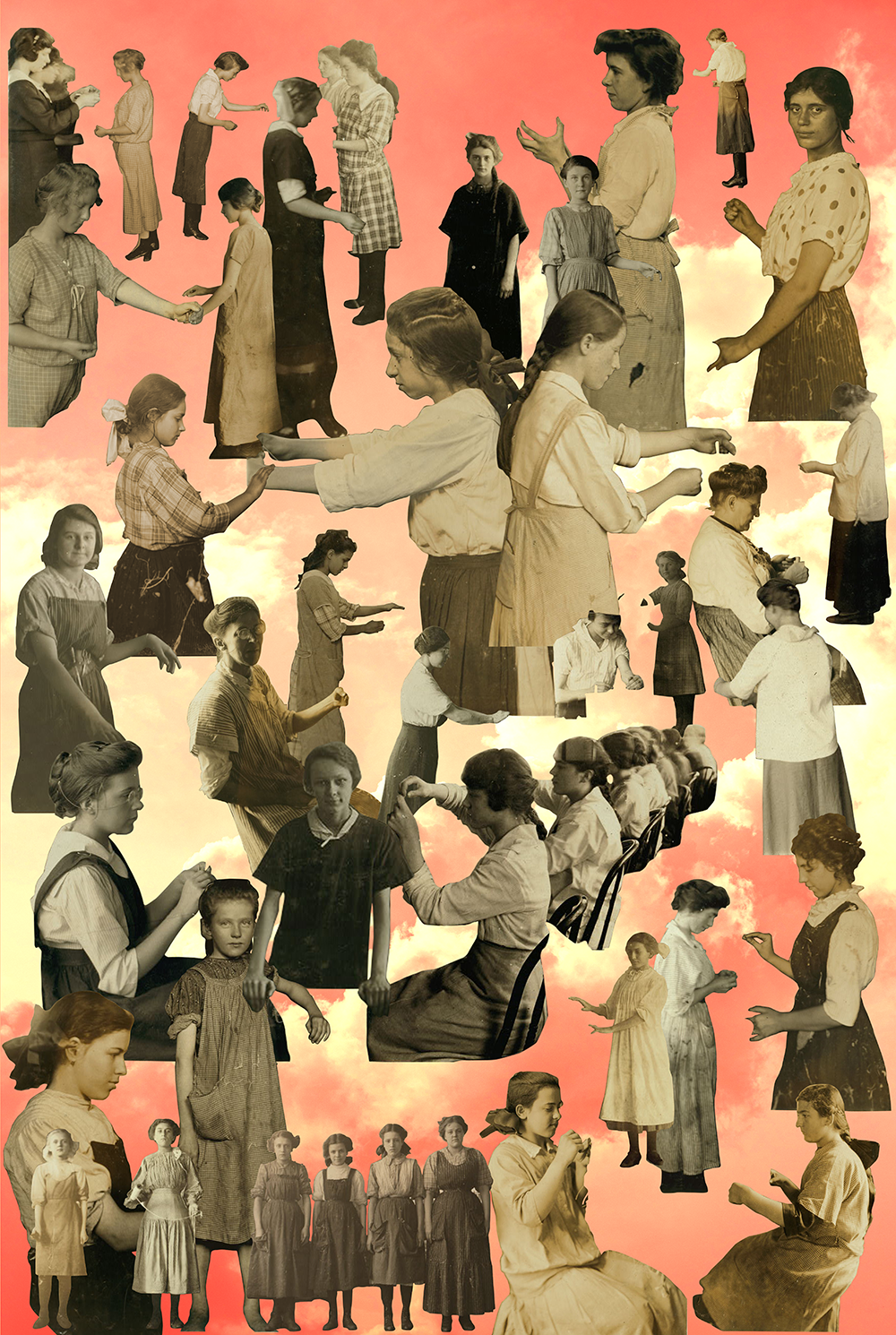
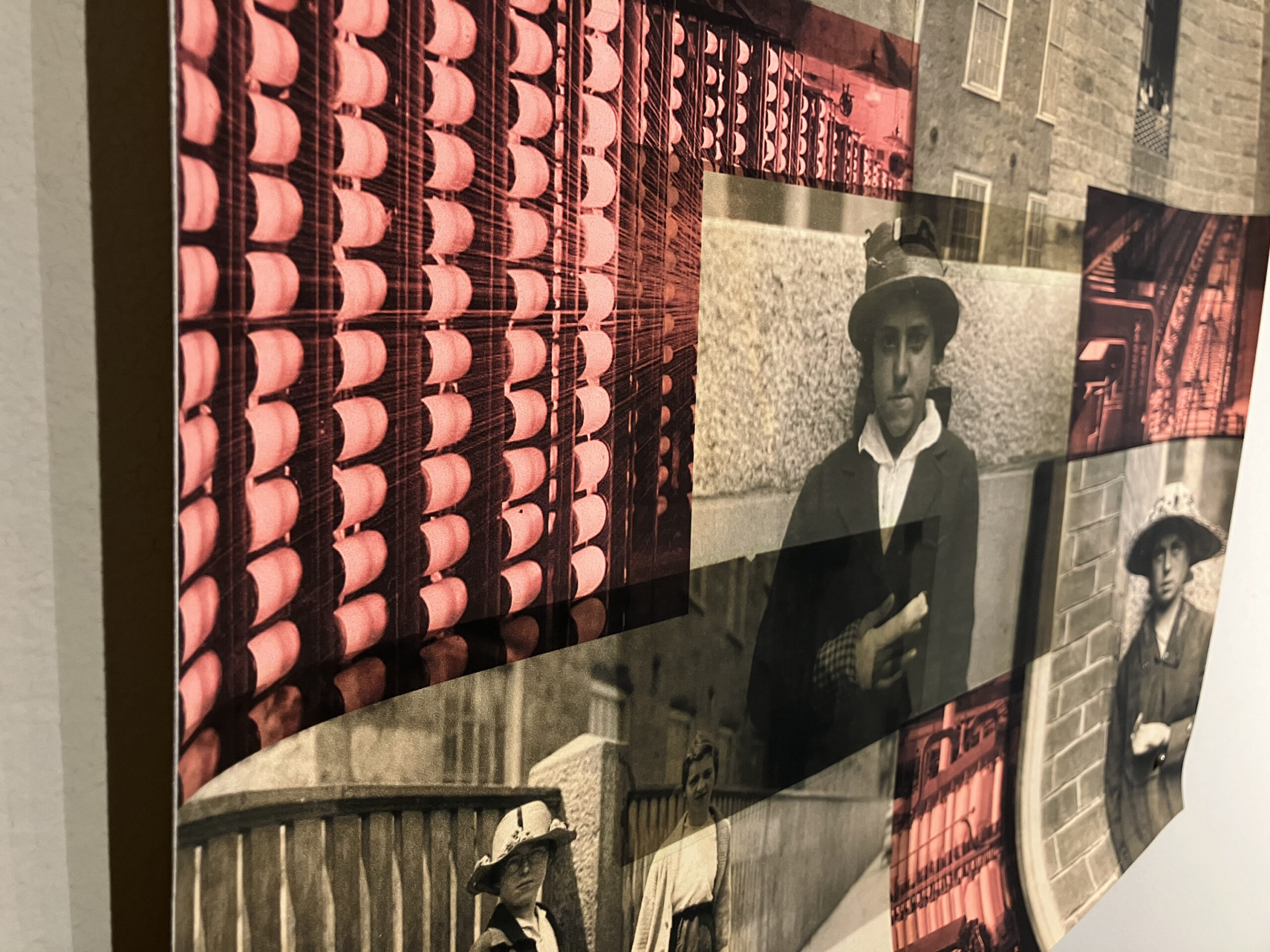
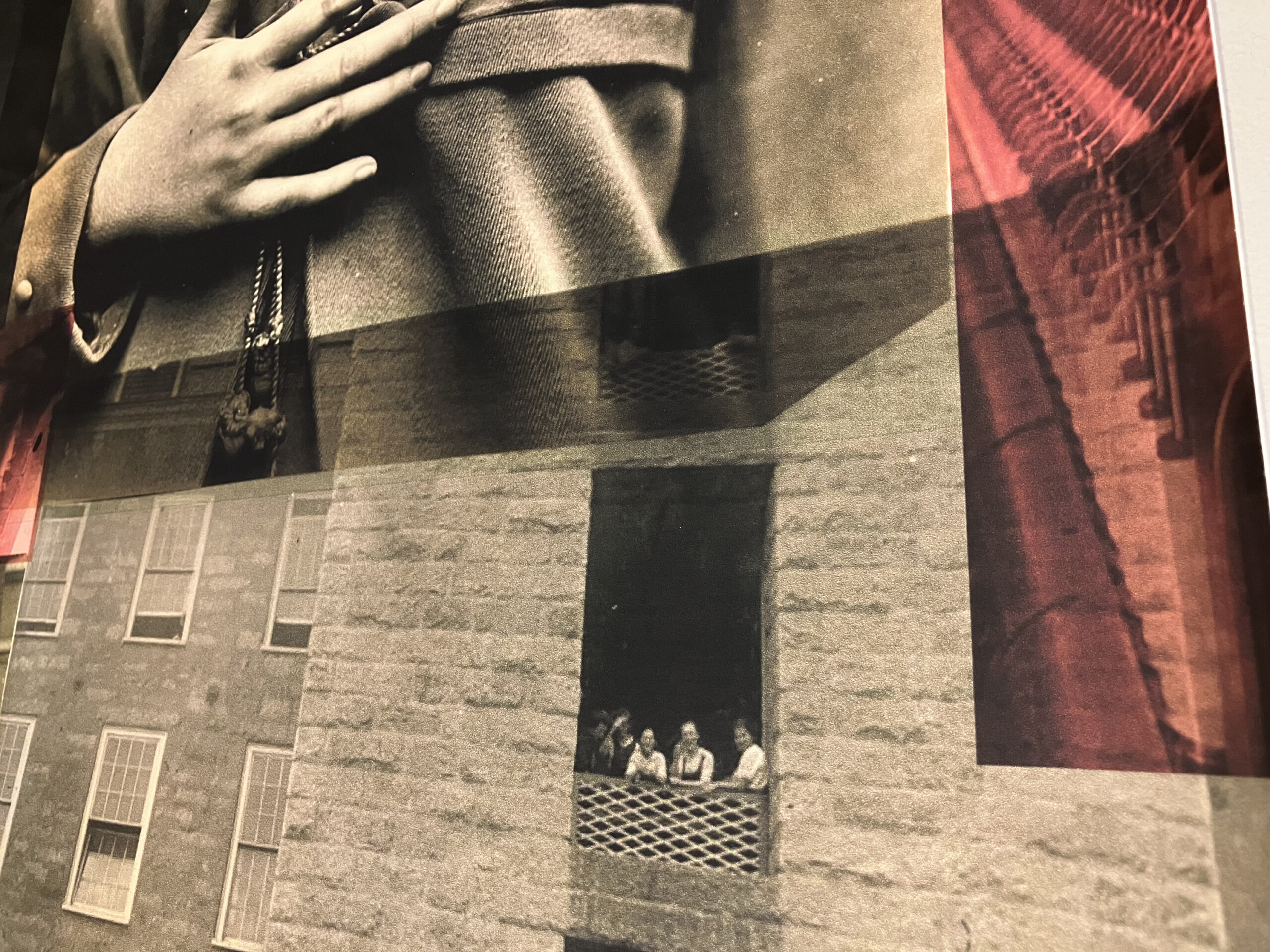
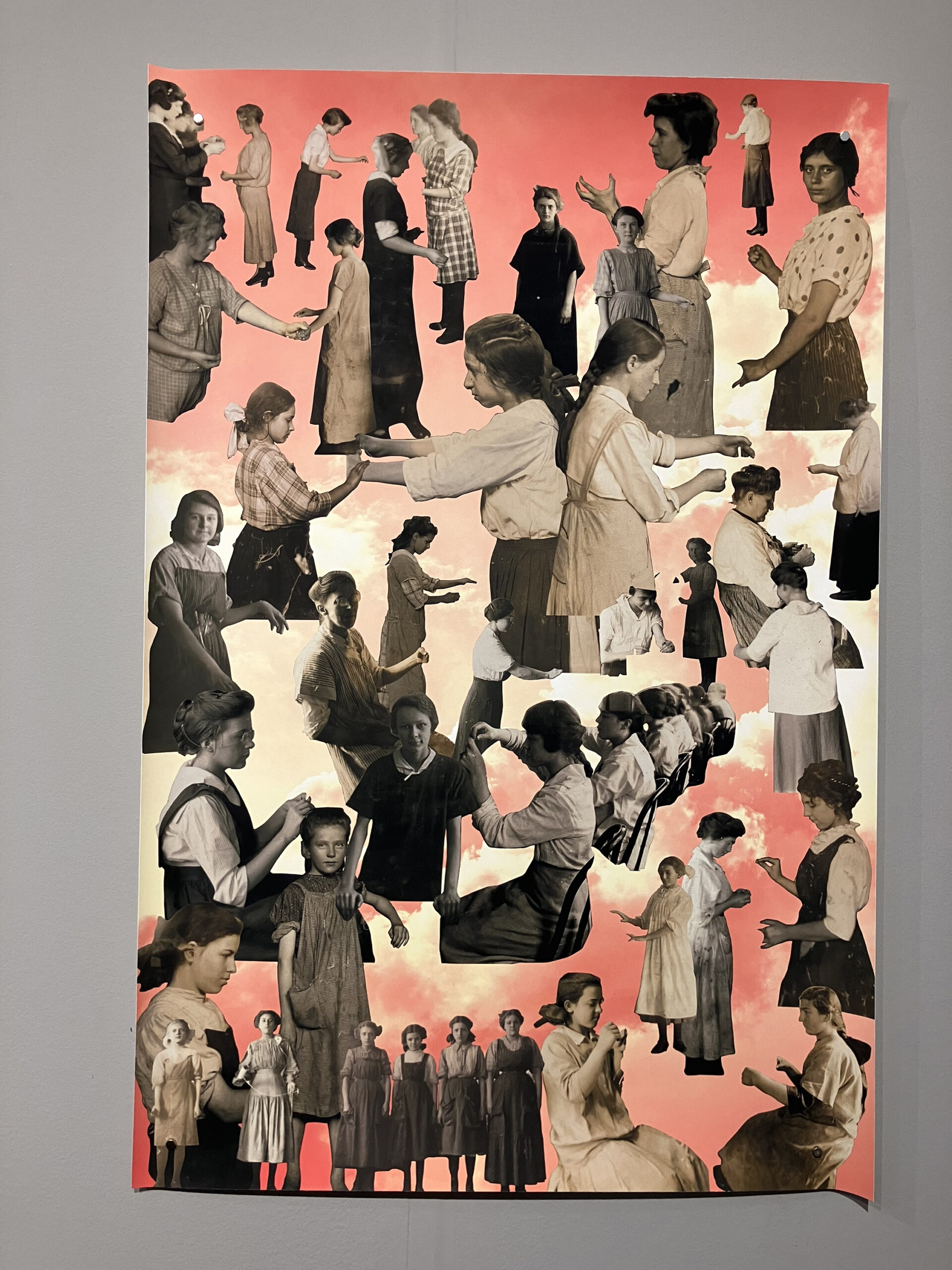
In Liberation, the “mill girls” have been brought together, allowed to take up space and comingle. Their hands and bodies create strange shapes, echoing the gestures and postures made in the mills. Some of the young women look out, directly at us, but most are focused elsewhere, lost in thought. Freed from the confines of the factory and 80-hour work weeks, are they free to do as they please? Or will they remain bent and hunched, forever pressed into these shapes by their previous labor?
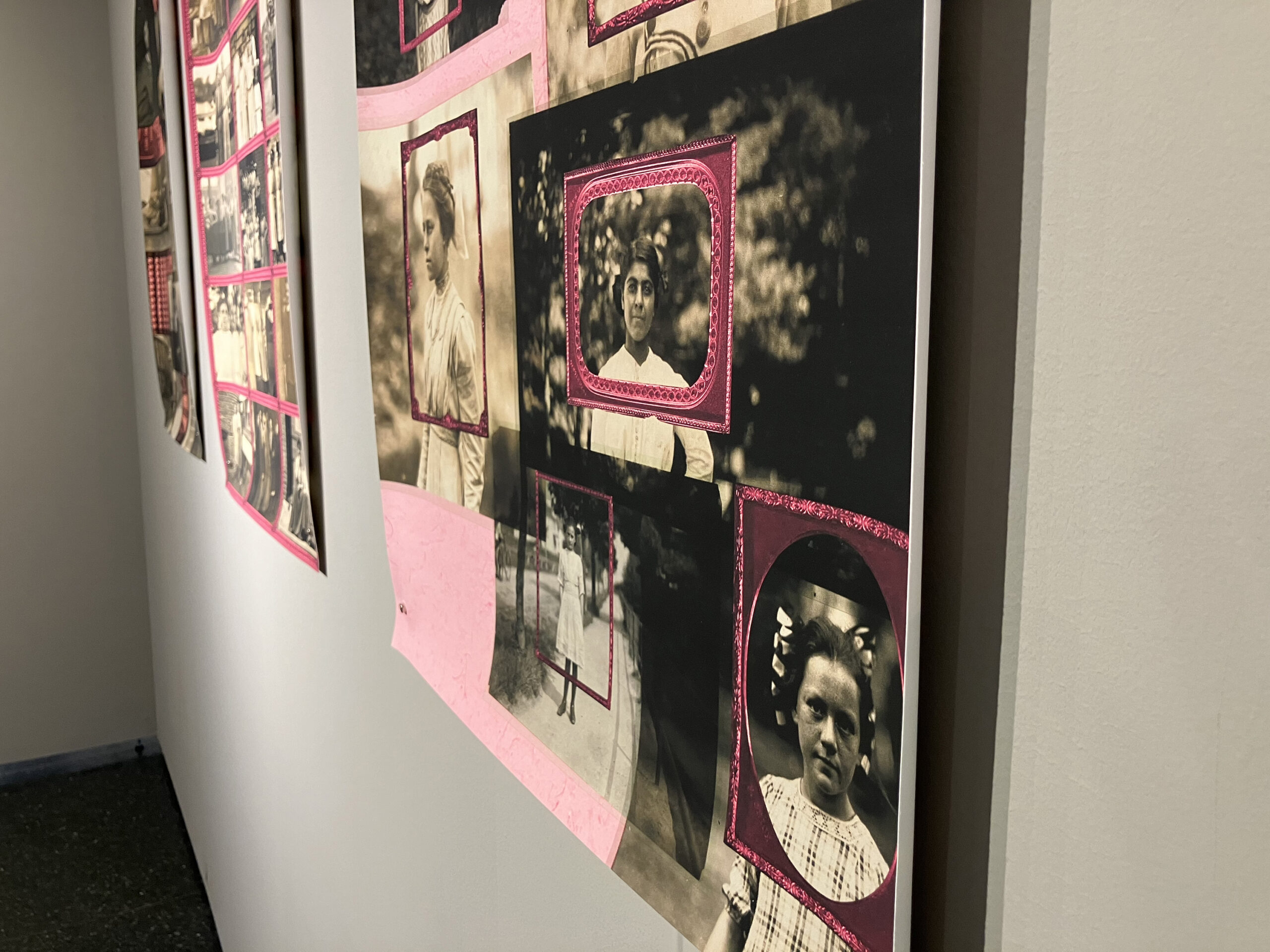
Camaraderie, Poised, and With a Bowed Form She Gazed Into the Turbulent Stream all feature photographs of the mill workers in more candid poses or away from the mills. While captured over 100 years ago, many of these images resemble those taken of and by young women today, depicting friendship, trends in clothing and hairstyles, and small moments of social connection.
Spending time with these images and texts reminds us that while the lives of these people were different from ours in many ways, our fundamental needs and concerns are not so removed as we think. Our 24/7 connected world demands novel kinds of labor from us, yet “pleasures there are, even in factory life.”